Cooling Tower Winterization in Johnson County, KS: Shut Down or Run Through Winter?
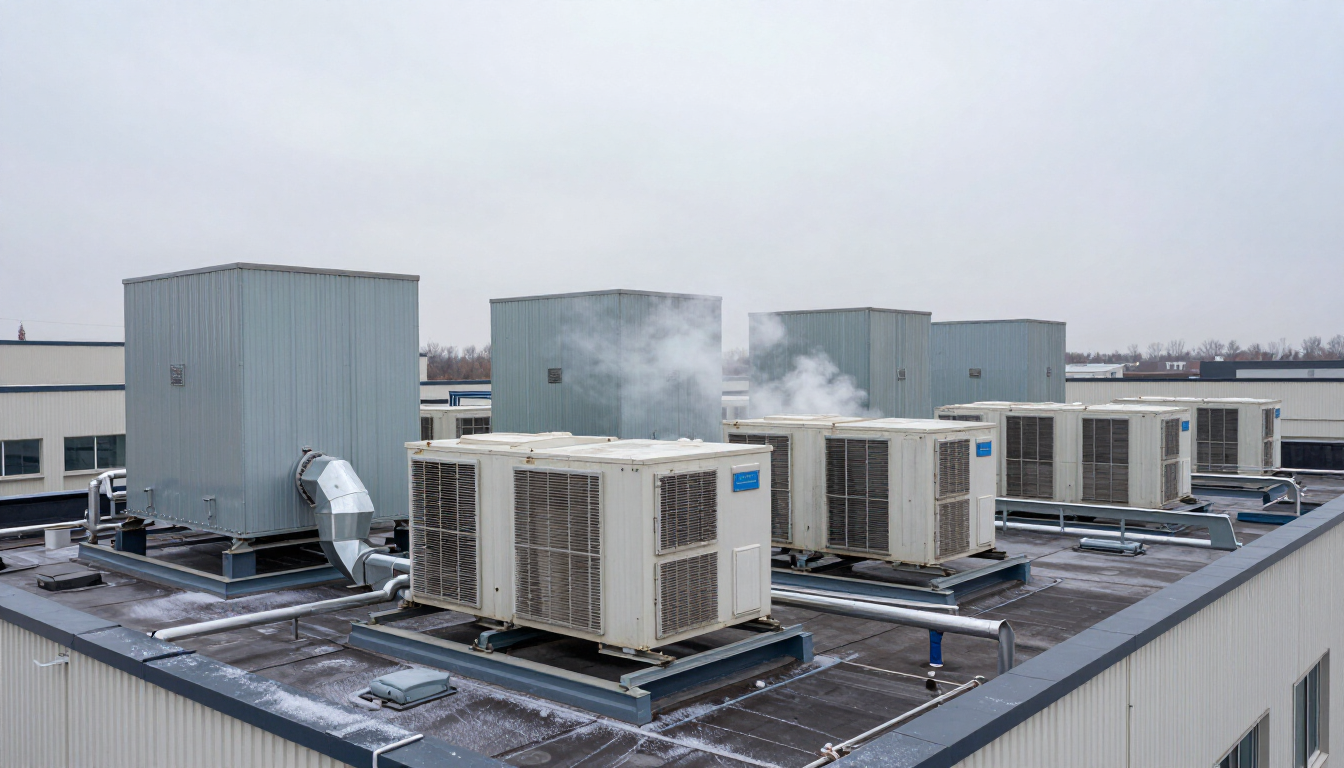
Once cooling season winds down, every cooling tower on your roof or pad needs a clear plan for freezing weather. Skip cooling tower winterization and you risk a frozen basin, ice-damaged fill, and a spring startup that turns into a repair project.
The right plan depends on one question: does your facility need the tower in winter? Here is how to decide, what a winterization scope should include, and the warning signs that your tower isn't ready for the cold.
Why Winter Is Hard on Cooling Towers
A cooling tower is designed to move a lot of water through moving air. In summer, that's the whole point. In winter, the same design puts water, wind, and freezing temperatures in direct contact.
Johnson County sees the full range of Midwest weather: mild afternoons, sharp overnight freezes, and repeated freeze-thaw cycles through late fall and early spring. Those swings are often harder on equipment than a steady cold spell, because water that thaws during the day refreezes in cracks and low points overnight.
The most common winter problems include:
- Basin and sump freezing when heaters fail or water sits without circulation
- Ice buildup on fill, louvers, and fan components, which adds weight and can crack or deform parts
- Frozen makeup water and exposed piping, especially uninsulated runs or failed heat trace
- Stagnant water in idle towers, which can support bacterial growth, including Legionella, if water treatment lapses
- Fan and drive damage from ice imbalance or from starting a fan against an iced-up wheel
Seasonal Shutdown vs. Year-Round Operation
Most facilities fall into one of two groups. If the tower only supports comfort cooling, a full seasonal shutdown is usually the cleaner choice. If it supports process cooling, refrigeration, or year-round chiller loads, it has to stay online and be protected while it runs.
| Factor | Seasonal shutdown | Winter operation |
|---|---|---|
| Typical facility | Office, warehouse, or comfort-cooling-only buildings | Food processing, manufacturing, and facilities with process or year-round chiller loads |
| Main freeze risk | Water left in basins, exposed piping, and low points | Ice on fill and louvers, basin freezing during low-load periods |
| Key equipment to verify | Drain points, isolation, and protection of exposed piping | Basin heaters, heat trace, fan controls, and bypass or low-load operation |
| Water treatment | Plan for shutdown and for safe recommissioning in spring | Continuous treatment with monitoring through winter |
| Spring workload | Full recommissioning before cooling season | Ongoing inspection, lighter spring transition |
Some facilities sit in between, running the tower only during part of the winter. That's the hardest case to manage, because the tower cycles between idle and active through the worst freeze-thaw weeks. If that describes your site, make sure your controls and freeze protection are designed for it, not improvised.
Key takeaway: the worst winterization plan is no decision at all. A tower that's "probably shut down" or "running when needed" without a defined freeze protection plan is the one that cracks a basin in January.
What a Cooling Tower Winterization Service Should Include
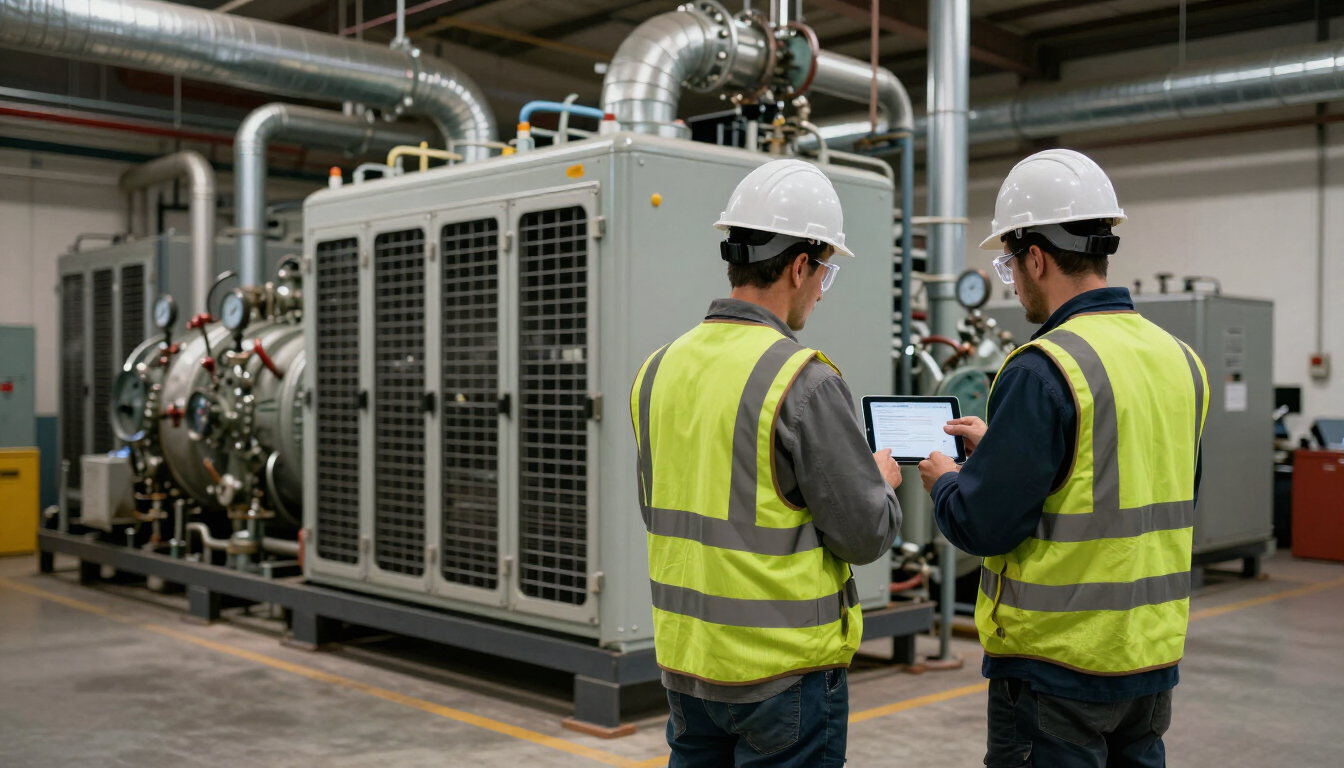
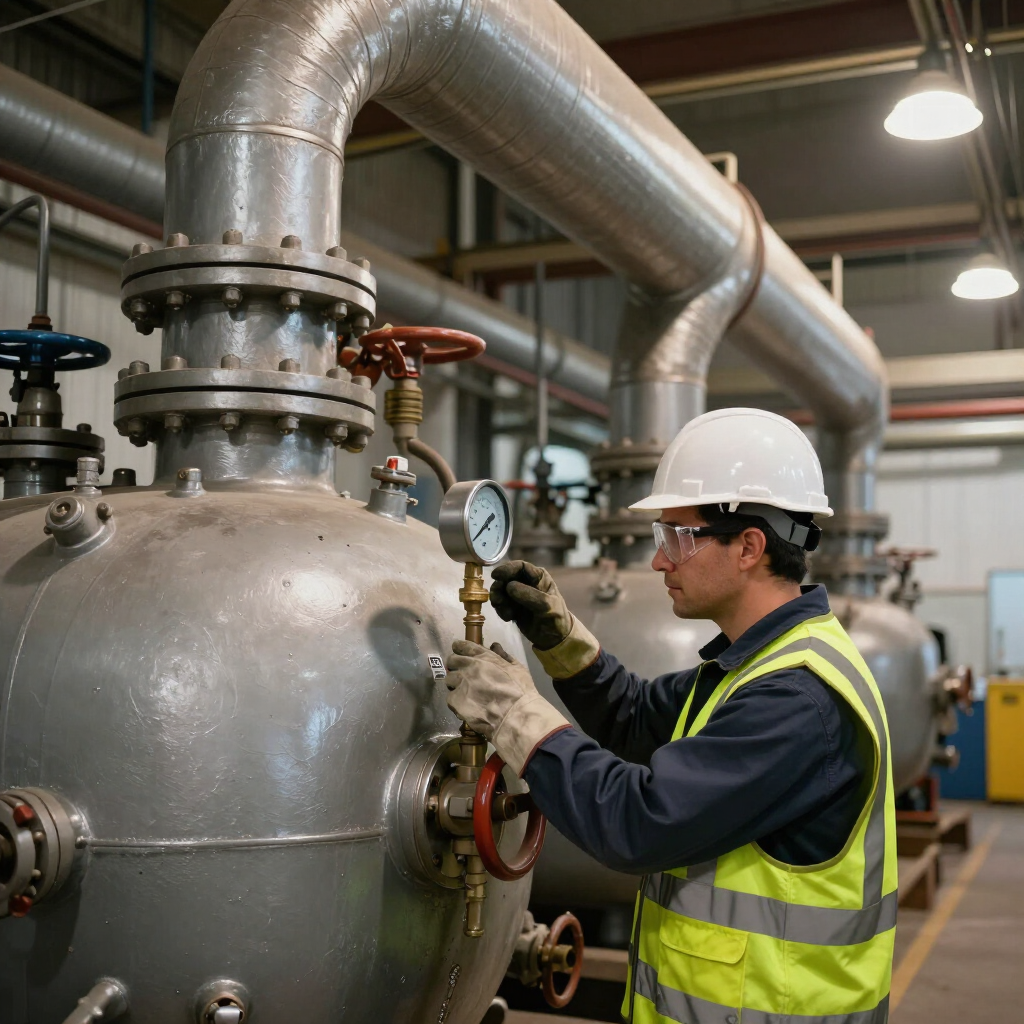
Whichever path you choose, the scope should be documented and performed by a qualified technician. A good fall visit typically covers:
- Inspection and cleaning of the basin, fill, drift eliminators, and louvers to remove scale, debris, and biological growth before winter
- Freeze protection review, including basin heaters, heat trace, insulation on exposed lines, and controls that manage low-load or idle conditions
- Mechanical inspection of fans, motors, belts or gearboxes, and bearings, with adjustments made before cold weather adds stress
- Structural and casing check for leaks, corrosion, and damaged panels that will get worse under ice
- Water treatment coordination with your treatment provider, covering either a safe shutdown or continuous winter treatment
- Written findings with any repairs ranked so you can address the critical items before the first hard freeze
Our cooling tower maintenance and repair services include cleaning, inspections, and adjustments designed to prevent common failures and avoid costly downtime.
Warning Signs Your Tower Isn't Ready for Freezing Weather
Walk the tower with your maintenance team this month and look for these. Any of them is a reason to get a technician out before temperatures drop.
- Basin heaters that don't cycle on, or a heater alarm you've been ignoring
- Missing, wet, or damaged insulation on makeup water and exposed piping
- Cracked, sagging, or heavily scaled fill
- Visible leaks at the basin, seams, or piping connections
- New vibration or noise from the fan or drive
- Ice already forming on louvers or the casing during early cold mornings
Tower problems rarely stay with the tower. On a water-cooled chiller system, poor tower performance shows up as high condenser pressure, lost capacity, and wasted energy at the chiller.
Plan Winterization Now, Not After the First Freeze
The useful window is the stretch between the end of your cooling load and the first sustained freeze. In the Kansas City metro, that typically means October into early November. Booking early leaves time to order parts if the inspection turns up a failed heater, worn bearings, or damaged fill.
It also pays off in spring. A tower that was cleaned, inspected, and properly protected in the fall comes back online faster and with fewer surprises. For more on keeping the whole cooling system healthy, read what businesses need to know about chiller maintenance.
Cooling Tower Service for Johnson County, KS Facilities
Anderson Mechanical has more than 20 years of commercial and industrial mechanical experience, and Johnson County, KS is part of our core service area. We work with facilities on both sides of the state line, so we understand the mix of building types and cooling loads you're managing. Learn more about our team.
Book Your Cooling Tower Winterization Visit
Already seeing ice, a failed basin heater, or leaks? Call us at (816) 307-7991. After-hours service is available 24/7. If you're planning ahead, request a fall inspection and we'll help you choose between a seasonal shutdown and a protected winter operation plan.
Call (816) 307-7991 Request a Winterization Inspection