Planning Mechanical Piping Installation for Winter Construction in Kansas City, MO
If your mechanical piping installation lands between November and February, weather becomes a scheduling input whether you plan for it or not. Cold buildings, lost rigging days, and freeze risk on filled and tested systems can push a mechanical scope off schedule and drag the trades behind it.
This guide is for general contractors, construction managers, and design-build teams coordinating a piping scope through a Kansas City winter. It covers what changes in cold weather, where shop prefabrication helps, and what to nail down in the mechanical scope before work starts.
How Winter Changes a Mechanical Piping Installation Schedule
Kansas City winters are inconsistent. A mild week can be followed by single-digit nights, ice, and wind that shuts down rooftop work. Plan for the variability, not the average.
The schedule impacts we see most often on winter jobs:
- Dry-in and temporary heat timing. Piping crews are far more productive in an enclosed, heated space. Slips in the building envelope push mechanical work directly.
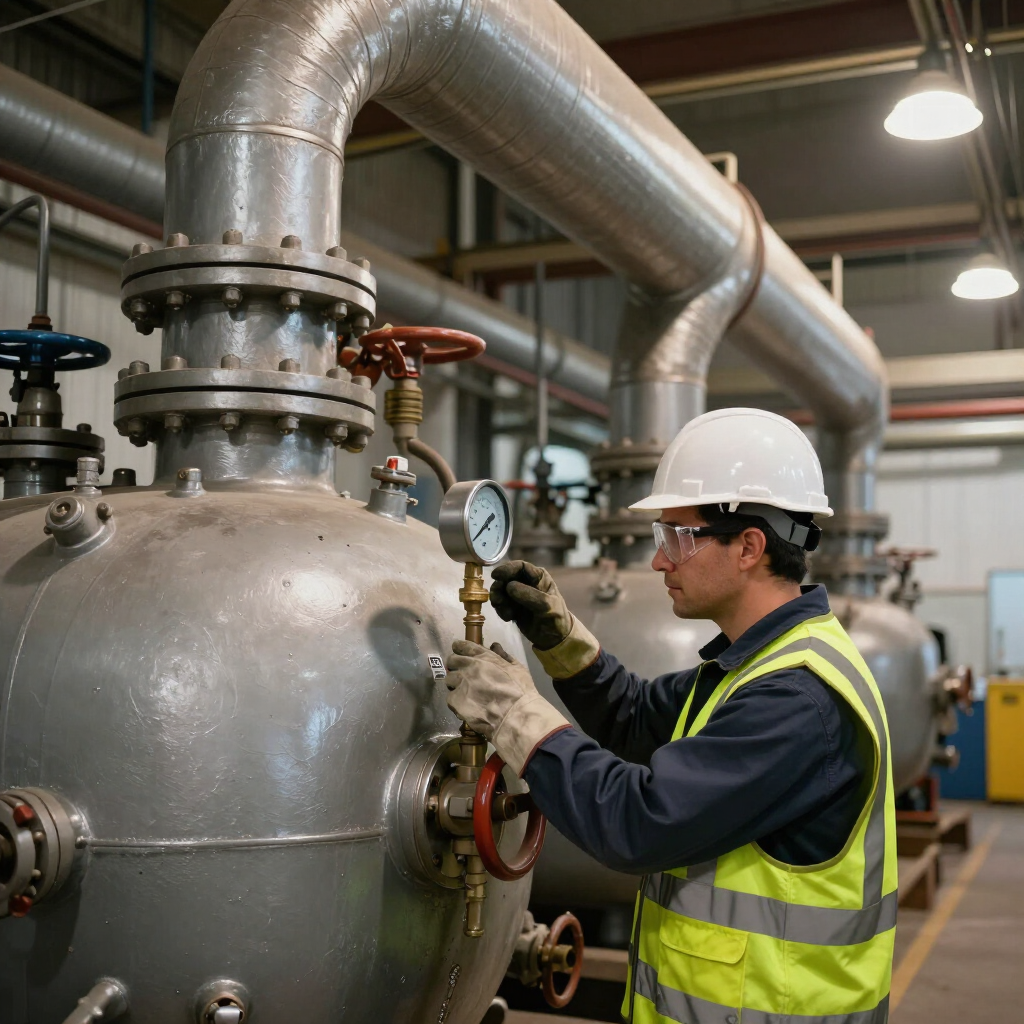
- Testing and freeze protection. Once a system is filled for testing, it becomes vulnerable to freezing. Someone has to own protection from that point forward.
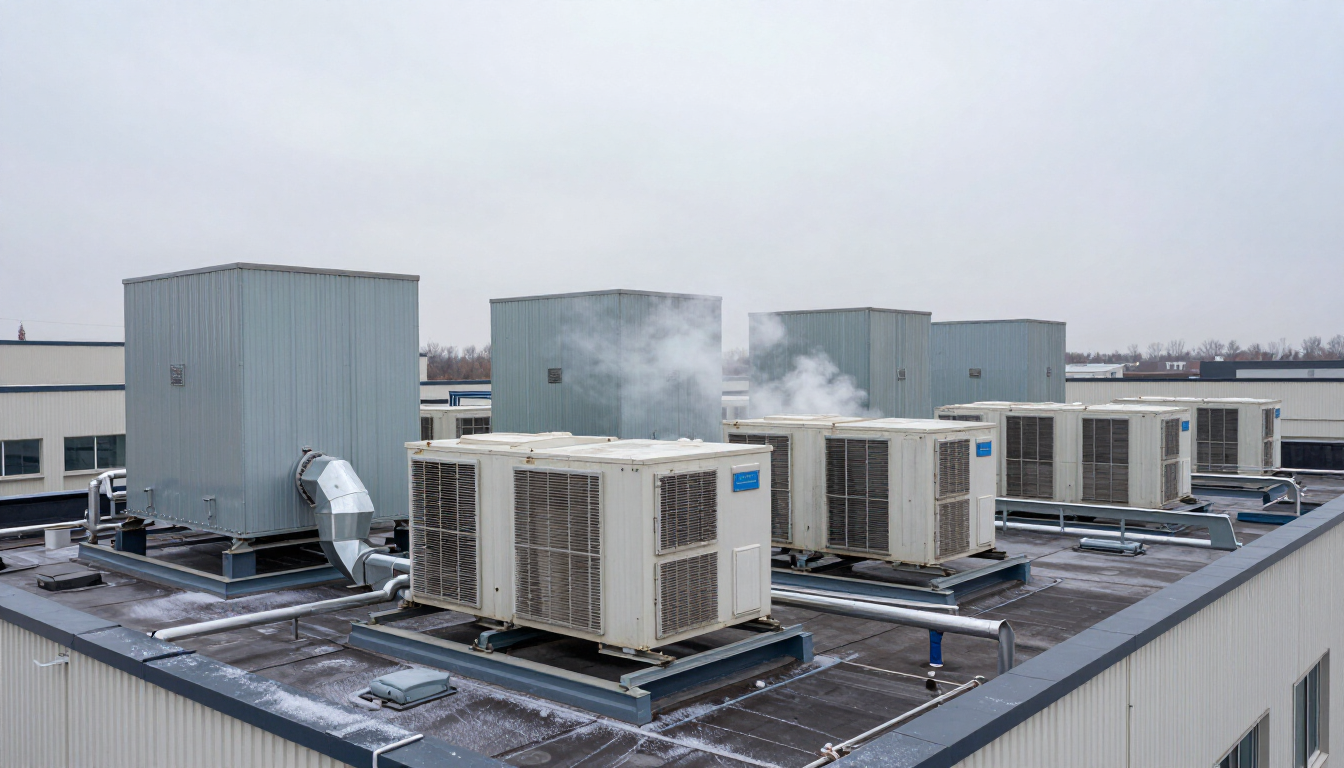
- Rigging and crane windows. Setting rooftop units, chillers, cooling towers, or large boilers depends on wind and ground conditions. Lost days are common.
- Shorter daylight. Exterior and roof work loses hours, which affects anything outside the envelope.
- Material handling. Cold affects how some materials, sealants, and insulation products are handled and installed, so manufacturer requirements need to be part of the plan.
Shop Prefabrication Moves Work Out of the Weather
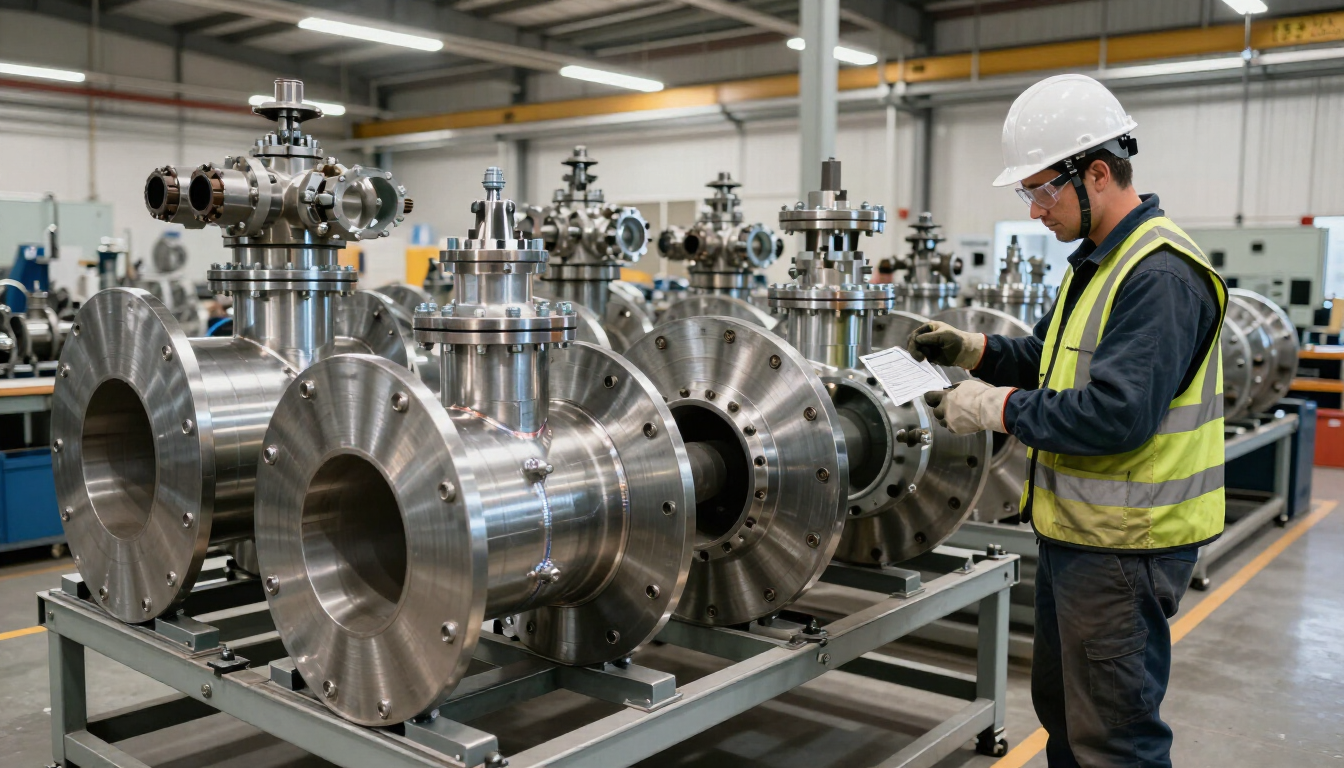
Prefabrication is one of the most effective tools for a winter mechanical schedule. We preassemble piping in our shop, which streamlines installation time on site and supports faster, more efficient setups. On a winter job, that also means less fabrication happening in a cold, congested building.
| Factor | Shop prefabrication | Field fabrication |
|---|---|---|
| Work environment | Controlled, heated shop conditions | Depends on dry-in and temporary heat |
| Weather exposure | Fabrication continues regardless of site conditions | Cold, wind, and lost days affect productivity |
| Site congestion | Less material and fewer crews on site at once | More laydown space and crew time required |
| Coordination needs | Needs firm dimensions, approved submittals, and early field verification | More flexible for late changes and unknown conditions |
| Best fit | Repetitive assemblies, equipment rooms, pump skids, and headers | Tie-ins to existing systems and areas with uncertain field conditions |
The tradeoff is front-loaded coordination. Prefab only pays off when drawings, equipment selections, and field dimensions are settled early enough for the shop to build ahead of the site.
Key takeaway: if you want prefabrication to protect a winter schedule, lock down submittals and equipment selections in the fall. Prefab can't build ahead of decisions that haven't been made.
Sequencing Mechanical Work With Other Trades
Winter compresses the schedule around the dry-in, and that puts more trades in the same space at the same time. Clear sequencing keeps the mechanical scope from becoming the bottleneck.
Before piping starts
- Building enclosure and temporary heat in place for interior mechanical areas
- Structural supports, sleeves, and penetrations coordinated with the structural and concrete scopes
- Equipment pads and housekeeping pads poured and cured
During installation
- Electrical rough-in coordinated for pumps, boilers, chillers, and controls
- Controls contractor engaged early on sensor wells, valve locations, and tie-in points
- Testing scheduled before insulation and before ceilings or walls close in
After testing
- Freeze protection maintained until permanent heat is running
- Insulation installed after test acceptance
- Startup and commissioning coordinated with the equipment manufacturer and controls contractor
Setting Boilers, Chillers, and Pumps in Cold Weather
Major equipment drives the mechanical schedule more than the piping does. Long-lead items need to be released early, and delivery has to line up with a rigging window and a path into the building.
On a winter job, a few details deserve extra attention. Confirm where equipment will be staged if delivery arrives ahead of the rigging date. Confirm whether the building needs to be enclosed before interior equipment can be set. And confirm whether permanent heating equipment is expected to provide temporary heat, because that changes the startup sequence for the whole project.
Our boiler and chiller installation and pump and equipment installation teams focus on precise alignment, calibration, and integration with the rest of the system, so equipment is ready to support the building at turnover.
What to Nail Down in the Mechanical Scope
Before you award or kick off a winter mechanical piping scope, get clear answers to these questions in writing.
- Which assemblies will be prefabricated, and what does the shop need from the design team and by when?
- What is the testing and inspection sequence, and who owns freeze protection after each system is filled?
- Who is responsible for temporary heat in mechanical spaces?
- What is the submittal schedule for long-lead equipment, and what are the release deadlines?
- How will the work be phased if the building is occupied or partially turned over?
- Are there sanitary or stainless steel requirements that affect fabrication and lead time?
For broader planning guidance, see our post on how to plan a commercial HVAC installation project in Kansas City.
A Mechanical Partner Built for Multi-Phase Work
Anderson Mechanical brings more than 20 years of mechanical contracting experience in Kansas City, MO and the surrounding area. Our work includes new construction, repairs, and restorations, and we are equipped to plan, manage, and build multi-phase projects. We also handle stainless steel fabrication and installation for projects that need it. See examples of our work in the gallery.
Get Your Winter Mechanical Scope Priced and Sequenced
Send us your drawings and schedule, and we'll walk through prefab opportunities, testing sequence, and equipment timing with your team before the first cold snap. Request a project quote online or call (816) 307-7991 to talk through the scope.
Request a Project Quote Call (816) 307-7991