How to Plan a Commercial HVAC Installation Project in Kansas City
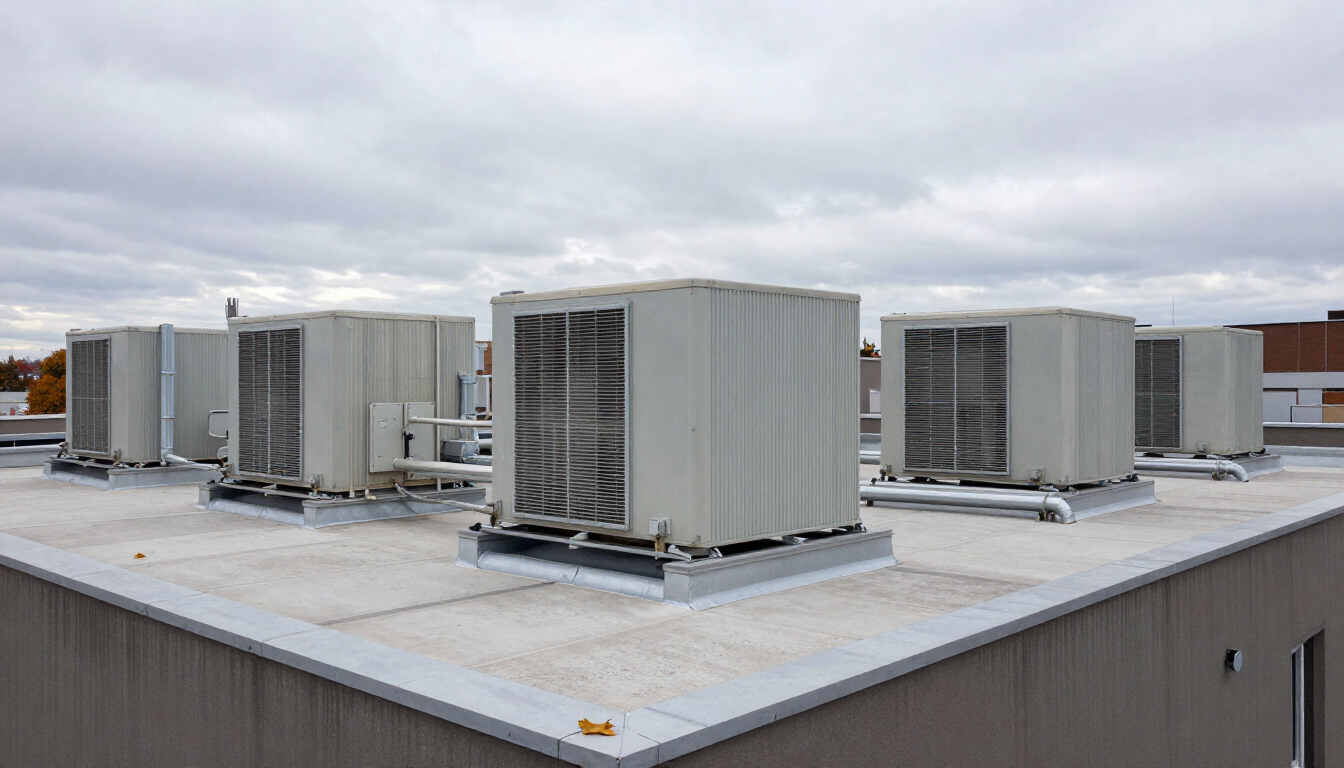
A commercial HVAC installation is one of the most important investments a business can make in its facility. Proper planning is essential to ensure that the system meets operational needs, performs efficiently, and delivers long term value.
The first step in planning is understanding the requirements of the building. This includes size, usage, occupancy, and specific environmental needs. Different types of facilities have different requirements, and the system must be designed accordingly.
Load calculation is a critical part of this process. This determines the capacity needed to heat and cool the space effectively. Oversized or undersized systems can lead to inefficiency and performance issues.
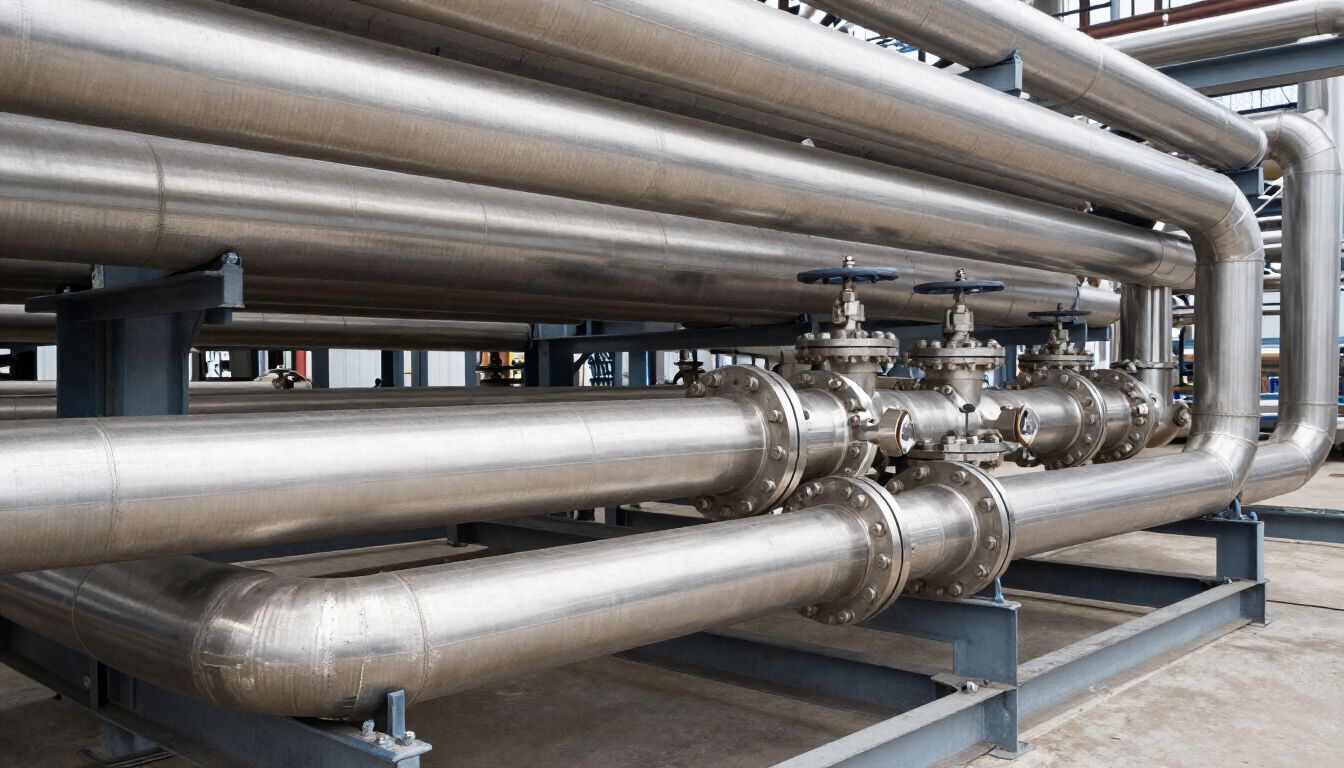
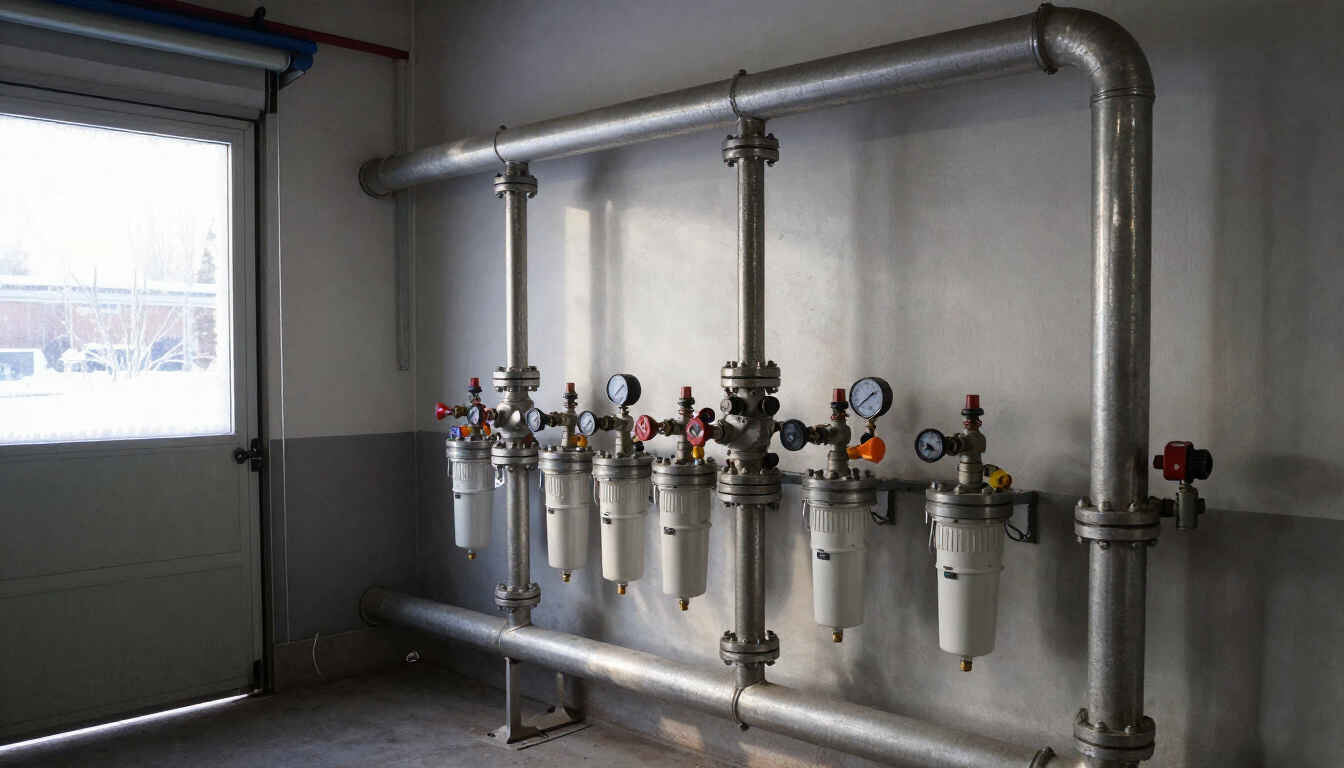
System selection is another important step. Options may include traditional HVAC systems, VRF systems, chillers, or a combination of solutions. The choice depends on the specific needs of the facility.
Budgeting is also a key consideration. Installation costs can vary based on system type, complexity, and building requirements. Planning ahead allows businesses to allocate resources effectively.
Installation timeline is another factor. Coordinating installation with business operations helps minimize disruption.
Working with an experienced contractor like Anderson Mechanical ensures that every aspect of the project is handled professionally.