Process Piping Freeze Protection: Planning It Into Winter Installations in Lee's Summit, MO
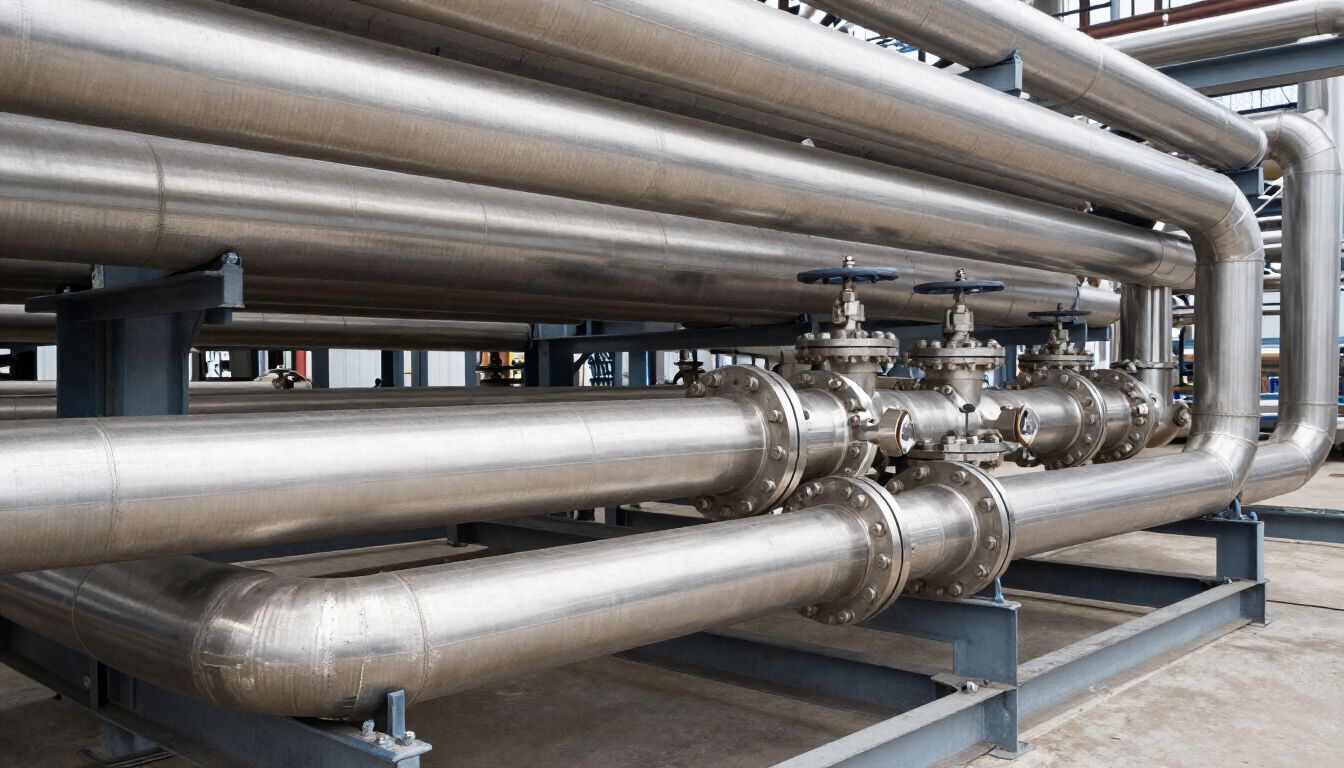
Freeze damage on a newly installed process line costs schedule, rework, and a hard conversation about who owns the fix. On projects heading into winter, process piping freeze protection has to be part of the piping scope from day one, not something the team sorts out at punch list.
For general contractors, construction managers, and design-build teams working in Lee's Summit, MO this season, here's where freeze risk shows up on process piping projects and which decisions to settle early.
Why Freeze Protection Is a Scope Issue, Not a Punch List Item
Freeze protection sits across several trades. Piping, insulation, electrical heat trace, controls, and the building envelope all play a part, and each tends to assume someone else is covering the gaps. When the scope documents don't spell out who furnishes, installs, and verifies each piece, those gaps show up on the first cold night after the lines are filled.
The fix is to treat freeze protection as a coordinated scope item during preconstruction and submittals. That means naming owners, agreeing on sequence, and confirming the design addresses the conditions the piping will see during construction, not just after the building is closed in and conditioned.
Key takeaway: The riskiest window for new process piping is often during construction, when lines are filled for testing before permanent heat, insulation, or heat trace are in place.
Where Freeze Risk Lives on a Process Piping Project
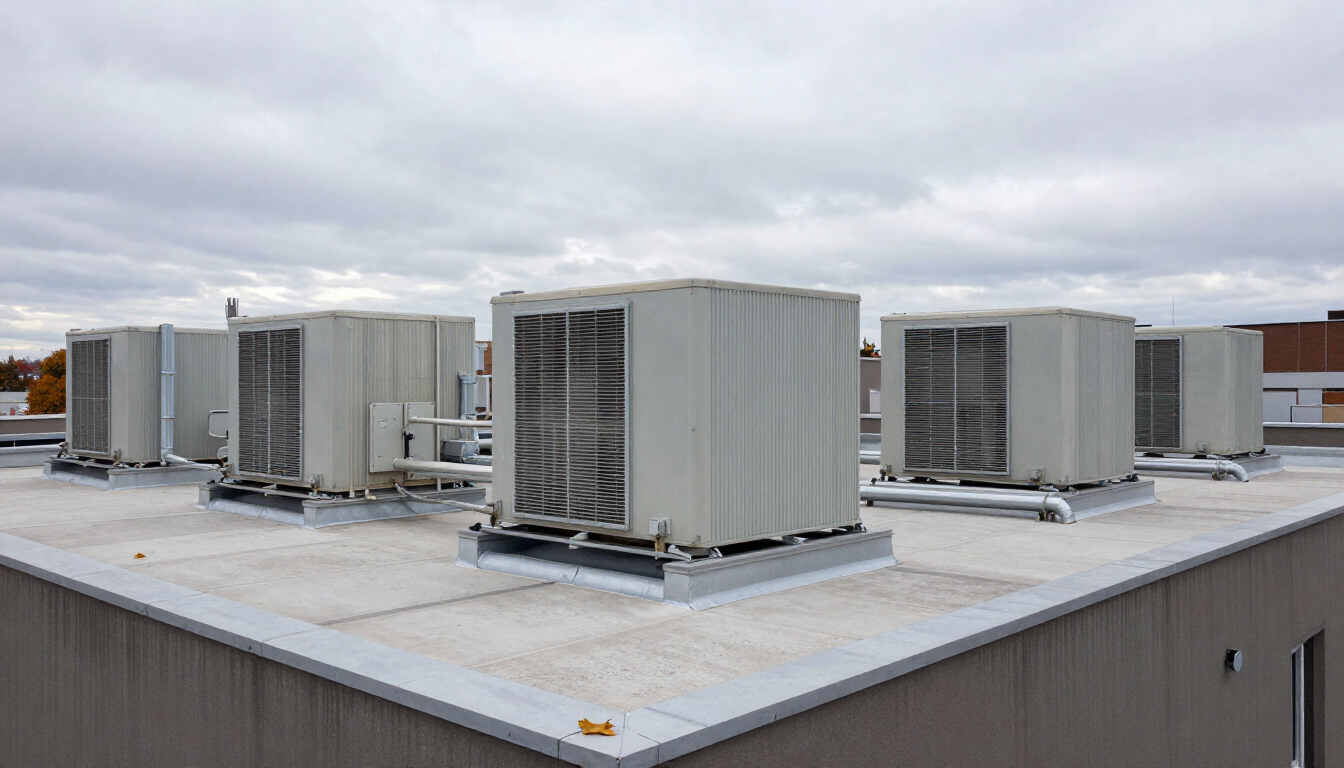
- Unconditioned spaces: dock areas, mezzanines, pipe racks along exterior walls, and penthouses.
- Building penetrations: utility connections and lines passing through walls or roofs.
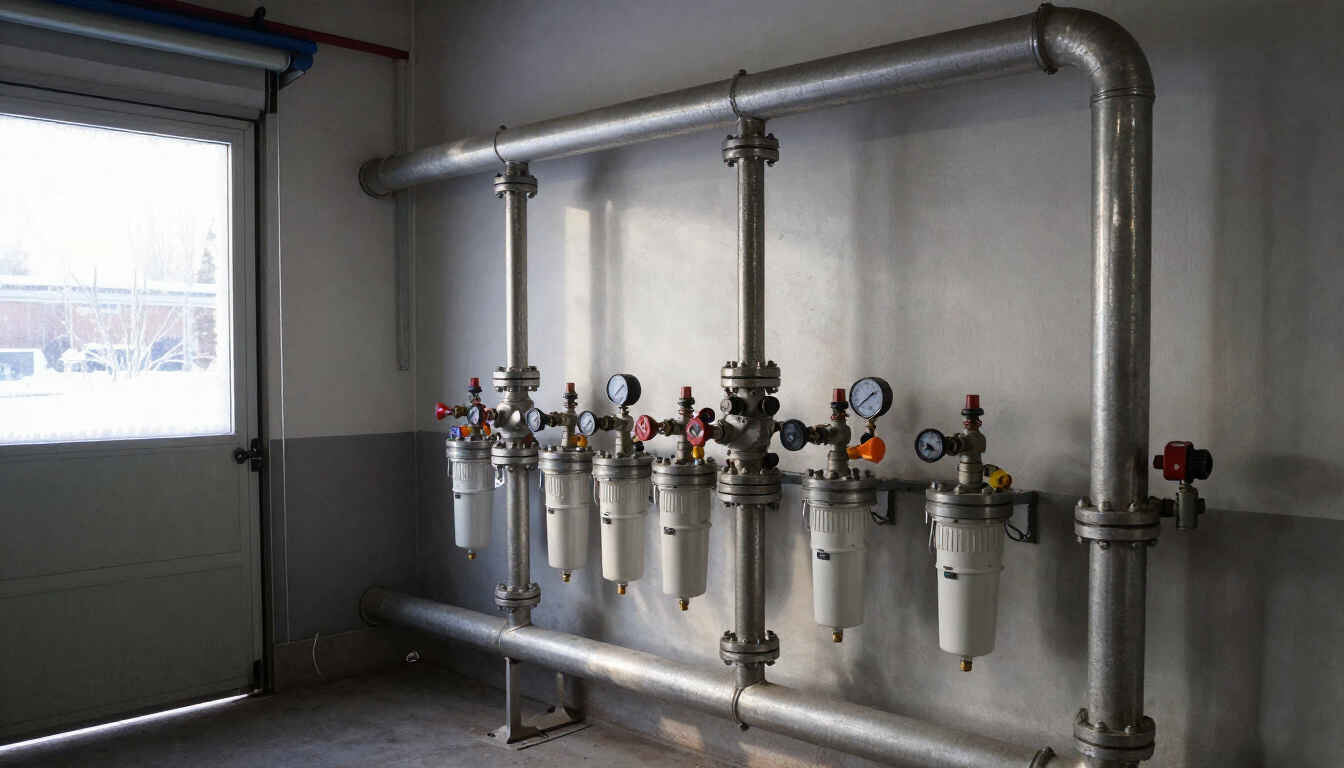
- Dead legs and idle branches: sections where product or water sits without flow.
- Small-bore lines and instrument taps: they freeze faster than mains and are easy to overlook.
- Lines filled for testing before the building is heated: a common source of construction-phase freeze damage.
- Equipment connections waiting on startup: pumps, heat exchangers, and skids that sit full while other work catches up.
Design and Coordination Decisions to Settle Early
Routing
The simplest freeze protection is keeping process piping inside conditioned space. When routing through cold areas can't be avoided, flag those runs early so protection is designed in rather than added after the fact.
Drainability and slope
Lines that can drain completely are far less vulnerable. Confirm slope, low-point drains, and high-point vents in the design, and make sure field routing doesn't create pockets that hold water.
Heat trace and insulation coordination
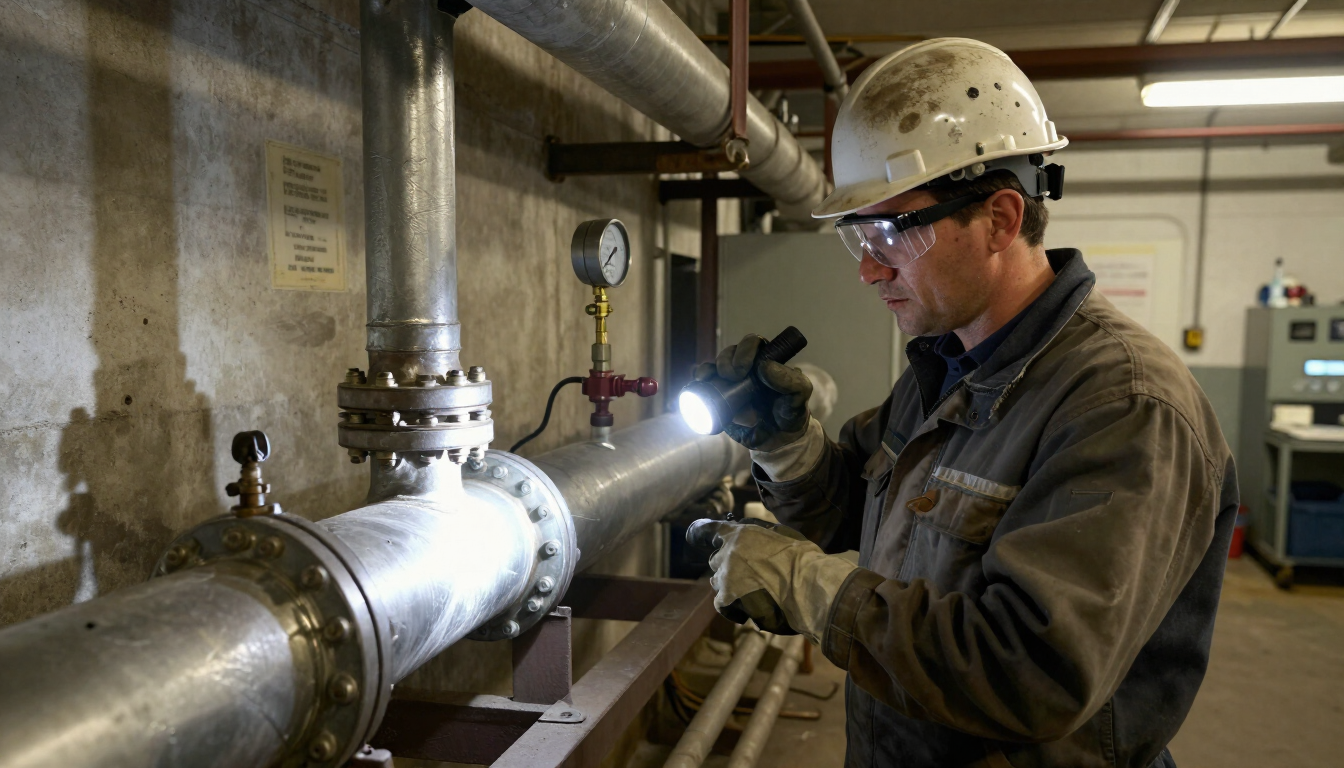
Heat trace and insulation are usually installed by different trades, and sequence matters: piping installed and tested, heat trace applied, then insulation and jacketing. Settle who furnishes and installs each, how the heat trace is controlled and monitored, and who verifies it before insulation closes it in.
Testing in cold weather
Pressure testing with water during cold months needs a plan: when testing happens relative to temporary or permanent heat, and how lines will be protected or drained afterward. Agree on this with your piping contractor before the schedule forces the decision.
| Freeze protection item | Who typically needs to weigh in | Settle by |
|---|---|---|
| Routing through unconditioned space | Engineer of record, piping contractor, GC | Design review or preconstruction |
| Slope, drains, and vents | Engineer, piping contractor | Shop drawing and submittal review |
| Heat trace scope and controls | Electrical, controls, piping contractor | Before piping installation starts |
| Insulation and jacketing spec | Insulation contractor, owner, engineer | Submittal review |
| Test timing and temporary heat | GC, piping contractor | Baseline schedule |
| Protection of idle equipment connections | GC, piping and equipment installers | Before lines are filled |
Sanitary Process Piping Adds Its Own Requirements
On food and beverage projects, freeze protection has to work with sanitary design, not against it. Sanitary lines are typically designed to drain fully for cleaning, which helps, but insulation, jacketing, and heat trace in washdown areas need to hold up to cleaning chemicals and moisture without creating places for contamination to collect.
That makes early coordination between the sanitary piping contractor, the insulation contractor, and the owner's quality team important. Our article on how sanitary food-grade piping supports compliance and safety in manufacturing covers the broader requirements.
Sequencing a Winter Installation
Winter process piping work in Lee's Summit is manageable with the right sequencing. A few practices help keep schedule and quality on track:
- Prefabricate piping assemblies in a shop to reduce field time in cold conditions.
- Plan temporary heat for areas where lines will be filled before permanent heat is running.
- Phase testing so lines are tested, protected, and closed in as a group rather than left exposed.
- In occupied facilities, phase work around production so existing lines stay in service.
How Anderson Mechanical Supports Process Piping Projects
Anderson Mechanical's sanitary food process piping work includes new construction, repairs, and restorations, and we're equipped to plan, manage, and build multi-phase projects with precision, including work inside occupied, operating facilities. We specialize in stainless steel fabrications and offer prefabbed installations that preassemble piping in our shop to streamline time on site.
Process lines rarely stand alone, so our pumps and equipment installation team handles alignment, calibration, and integration with your piping. We collaborate closely with customers and designers, and we support projects in Lee's Summit, MO and across the Kansas City area.
Bring Us In Before Your Winter Piping Scope Is Locked
If you have a process piping scope starting this winter, request a quote and preconstruction walkthrough. We'll review routing, freeze exposure, and sequencing with your team before the schedule is set. For a quick conversation about an upcoming bid, call (816) 307-7991.
Request a Project Quote Call (816) 307-7991