Condensate Return Line Problems in Kansas City, MO Steam Systems: What to Watch This Heating Season
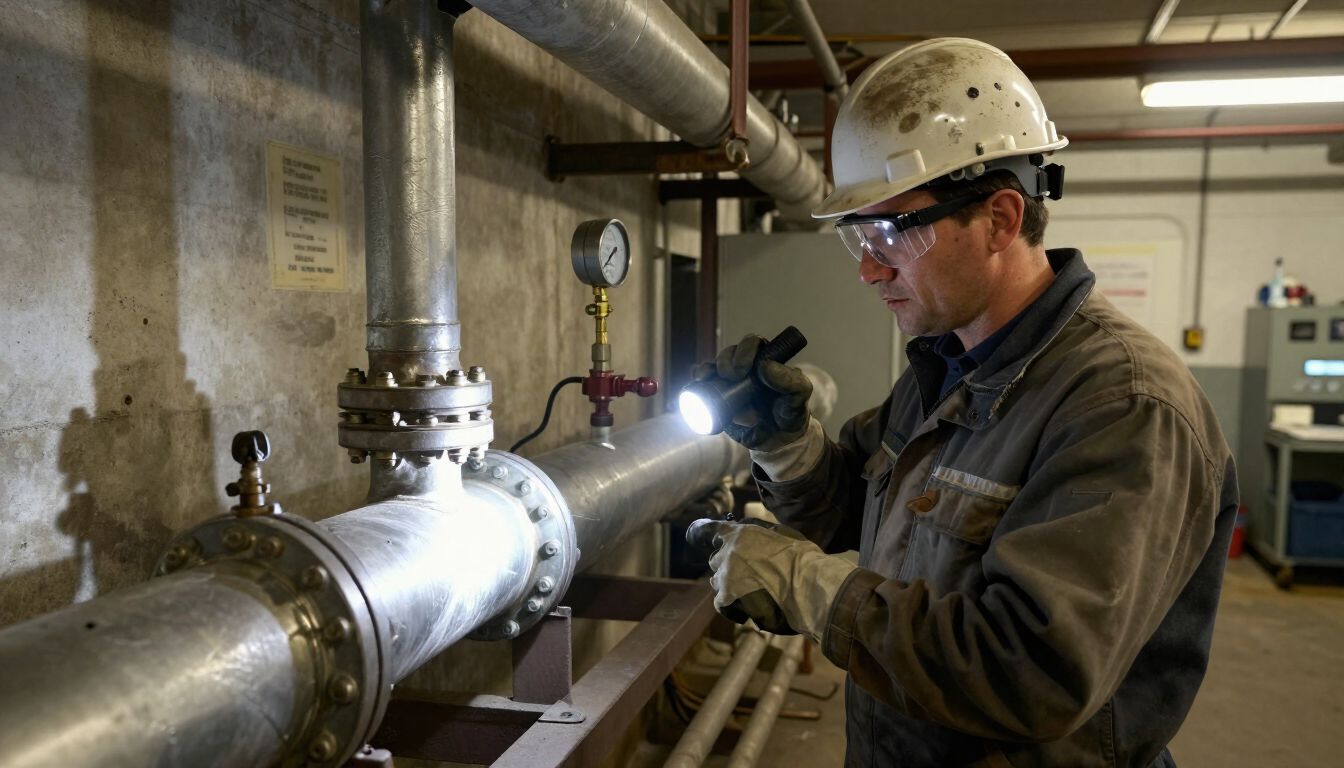
Your steam boiler can be running clean and still be losing efficiency and reliability through the piping that brings condensate back to it. Condensate return line problems tend to stay hidden in tunnels, ceiling spaces, and crawlspaces until they show up as banging pipes, wet floors, or a boiler that suddenly needs a lot more makeup water.
With heating season underway across Kansas City, MO, this is the stretch when return-side weaknesses surface. Here is what the common symptoms mean, how urgent they are, and what to have a qualified contractor look at.
Why the Condensate Return Line Matters More Than It Gets Credit For
When steam gives up its heat at a coil, radiator, or process load, it condenses back into water. That condensate is still hot, and it has already been treated. Returning it to the boiler means less cold makeup water to heat, less chemical treatment to add, and less fresh water entering the system.
When condensate is lost through leaks, failed equipment, or lines that dump to drain, the boiler makes up the difference with cold, untreated water. That raises fuel and treatment demand and brings more dissolved oxygen and minerals into the system. It also means something on the return side is failing, and that failure rarely stays in one place.
Key takeaway: Rising makeup water use is one of the clearest early signs of a condensate return problem. If your boiler log shows makeup trending up with no change in load, the return side deserves a look.
Common Condensate Return Line Problems and What They Mean
Most return-side issues fall into a handful of patterns. Each points to a different cause and carries a different level of urgency.
Water hammer
Banging, knocking, or a sharp crack in the piping usually means water and steam are meeting where they shouldn't. Common causes include failed steam traps flooding the return, lines that have lost their pitch, and low spots where condensate pools. Water hammer is not just a noise: each event is a mechanical shock that stresses fittings, gaskets, valves, and pipe supports.
Corrosion and pinhole leaks
Condensate piping often corrodes from the inside out. Carbon dioxide carried in with makeup water can form carbonic acid as condensate cools, which thins the pipe wall, especially along the bottom of horizontal runs and at threaded joints. By the time you see a pinhole leak or rust staining, there is often more thinned pipe nearby.
Flooded or backed-up returns
If condensate is backing up into equipment, coils are underperforming, or a receiver is overflowing, the cause may be a failed condensate pump, a stuck float, an undersized or sagging line, or traps that have failed open and are pushing more steam into the return than it was built to carry.
Steam blowing from vents or receivers
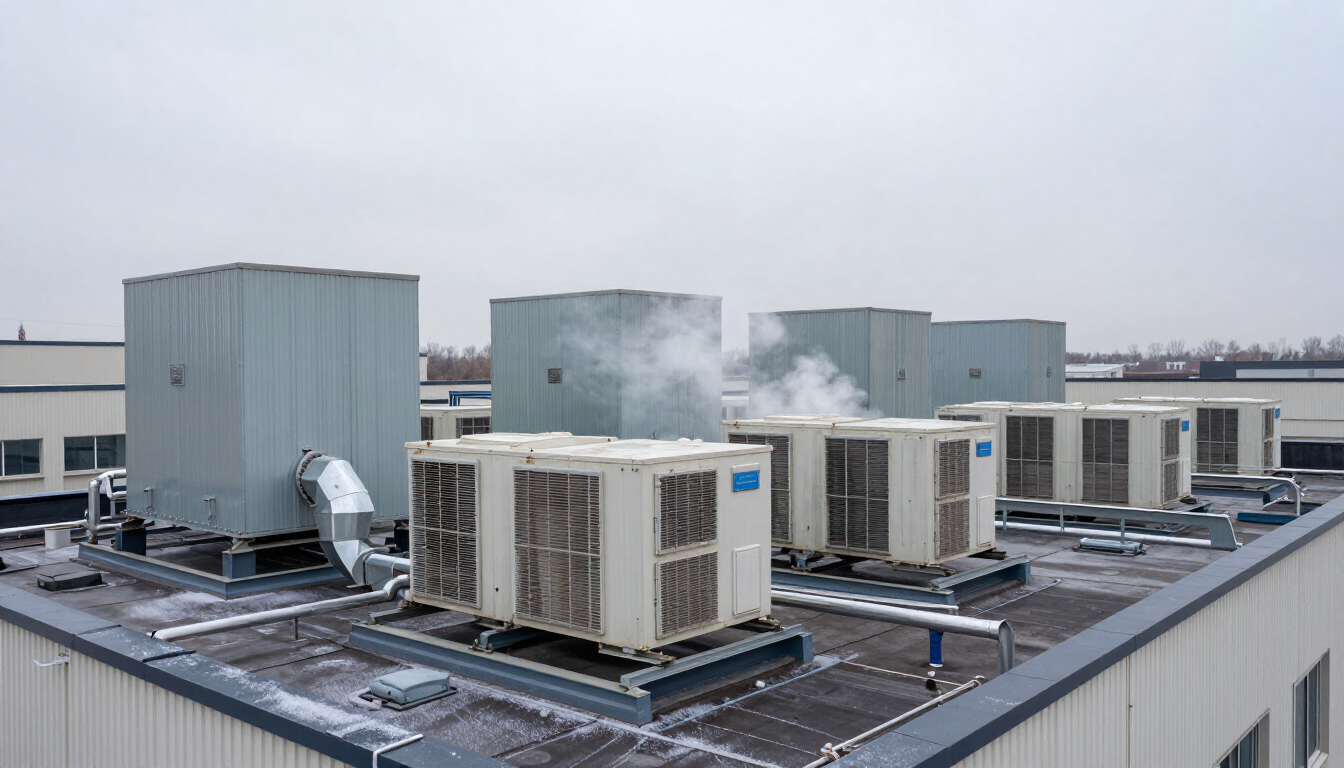
Some flash steam at a vented receiver is normal. A steady plume, or live steam showing up where it shouldn't, usually means traps have failed open. That is wasted energy now, and it can overheat condensate pumps and seals over time.
| Symptom | What it often points to | Urgency |
|---|---|---|
| Banging or knocking in steam or return piping | Flooded return, lost pitch, failed traps, pooled condensate | High. Repeated shock loads can fail fittings and joints. |
| Pinhole leaks or rust staining on return lines | Internal corrosion and wall thinning | Moderate to high. Expect more thinned pipe nearby. |
| Overflowing receiver or pump that runs constantly | Failed pump or float, or excess steam in the return | High. Equipment and boiler feed are at risk. |
| Steady steam plume at vents | Traps failed open, excess flash steam | Moderate. Energy loss now, equipment wear over time. |
| Makeup water use trending up | Condensate lost to leaks or drain | Moderate. Find the loss before it grows. |
Why Heating Season in Kansas City Exposes Return Line Weaknesses
Many steam systems in the metro run lightly or sit idle through summer. Lines that sat with moisture and oxygen inside are suddenly carrying hot condensate again, and weak spots that held all summer start to show.
A lot of Kansas City's industrial and institutional buildings also run on older steam distribution, with original return piping in tunnels, pits, and crawlspaces that rarely get walked. Add the region's freeze-thaw swings, and any return line passing through unheated space or along an exterior wall carries extra risk once temperatures drop.
What to Have a Qualified Contractor Check
Steam and condensate lines are hot, pressurized, and can flash to steam when opened. Don't open, tap, tighten, or drain anything on a live system. What your team can do is document symptoms and get the right inspection scheduled. A thorough return-side review should cover:
- Accessible return piping: leaks, staining, damaged insulation, and sagging or missing supports.
- Steam traps upstream: failed traps are one of the most common root causes of return problems.
- Condensate receivers and pumps: operation, controls, seals, and signs of overheating.
- Line pitch and low points: where condensate collects and where water hammer is likely starting.
- Pipe wall condition at known trouble spots: threaded joints, the bottom of horizontal runs, and areas with past leaks.
- Makeup water trend: compared against boiler load to gauge how much condensate is going missing.
Have your boiler logs, notes on where and when noises occur, and any repair history ready. That context shortens diagnosis and helps prioritize what gets fixed first.
Spot Repair, Section Replacement, or Re-Pipe?
A single leak at a fitting on otherwise sound pipe is usually a straightforward repair. When leaks keep appearing along the same run, or inspection shows widespread wall thinning, patching tends to become a cycle of callbacks. At that point, replacing the affected section, or re-piping the run with correct pitch and support, is often the more reliable path.
The right answer depends on pipe condition, access, and how much downtime your facility can tolerate in the middle of heating season. Some work can happen now, while larger replacements are often planned for a shoulder season when steam demand is lower.
How Anderson Mechanical Supports Steam and Condensate Systems
Anderson Mechanical has delivered mechanical contracting across the Kansas City area for more than 20 years. Our steam boiler maintenance and repair work includes inspections, pressure testing, and component cleanings, backed by the piping experience to address problems on the return side, not just at the boiler. Our technicians are trained professionals, each with OSHA certification.
If the issue traces back to the boiler itself, our commercial boiler service covers inspections, cleanings, tune-ups, and repairs. It's also worth reviewing the signs your commercial boiler needs service before it becomes an emergency, since return-side problems and boiler symptoms often show up together. We work with facilities throughout Kansas City, MO and the surrounding metro.
Hearing Water Hammer or Finding New Leaks?
If your system is banging, leaking, or flooding equipment right now, call us at (816) 307-7991. After-hours service is available 24/7. If you want a return-side review before the coldest part of the season, request a walkthrough and we'll help you prioritize what to fix now and what to plan for.
Call (816) 307-7991 Request a Walkthrough