Rooftop Unit Repair vs. Replace: A Year-End Guide for Johnson County, KS Owners
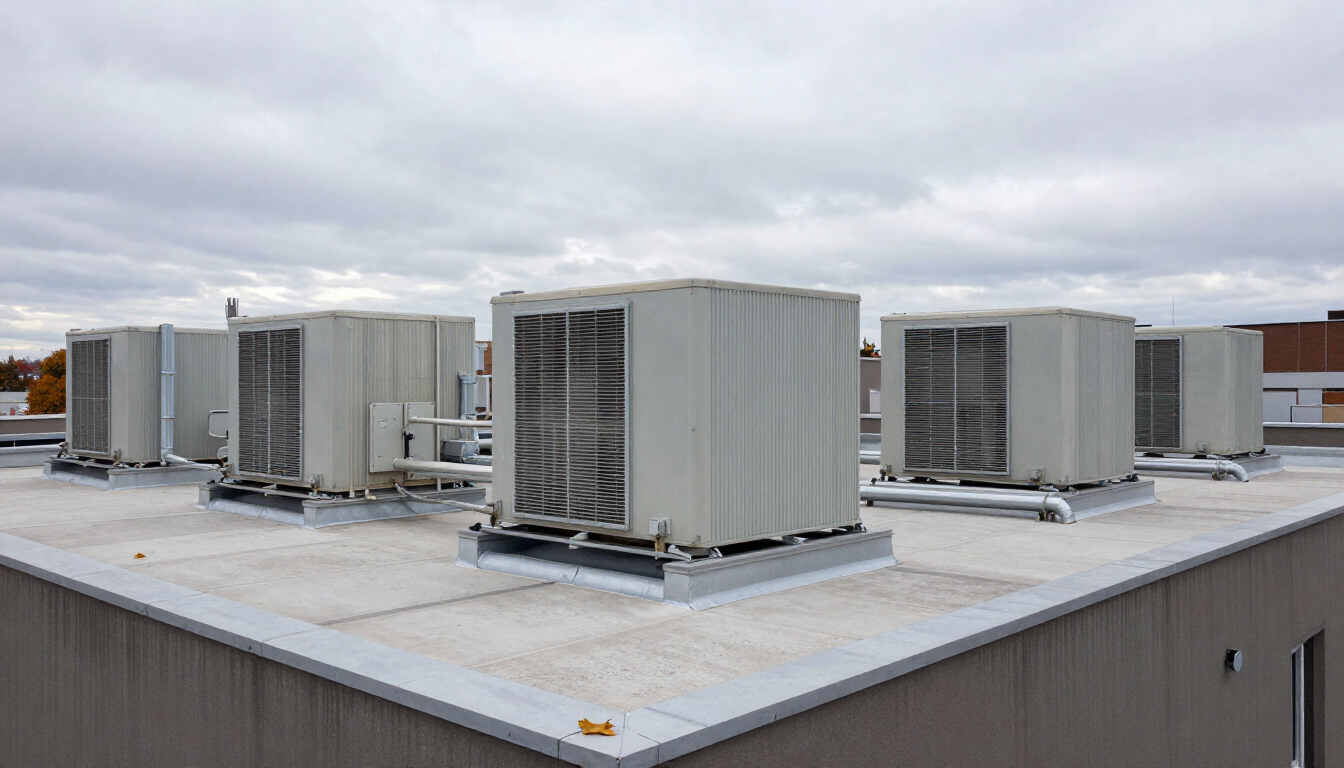
The rooftop unit that needed three service calls this year is no longer just a maintenance issue. It's a budget decision. Before year-end budgets lock, owners across Johnson County, KS should decide which aging units to keep repairing and which to plan for replacement, so the choice isn't made for them during next summer's first heat wave.
Here's how to weigh rooftop unit repair vs. replace, what deferring really costs, and what to ask before approving either path.
Why Year-End Is the Right Time to Decide
Rooftop unit replacements take planning. Equipment has to be selected and ordered, crane lifts scheduled, curbs and roofing coordinated, and electrical and controls tied in. None of that moves quickly when a unit fails in July and the building is already warm.
Deciding now gives you room to schedule replacements in a shoulder season, when cooling demand is low and installation is easier to line up. It also lets you put the decision into next year's capital plan instead of absorbing it as an emergency expense.
What Drives the Rooftop Unit Repair vs. Replace Decision
Repair history and trend
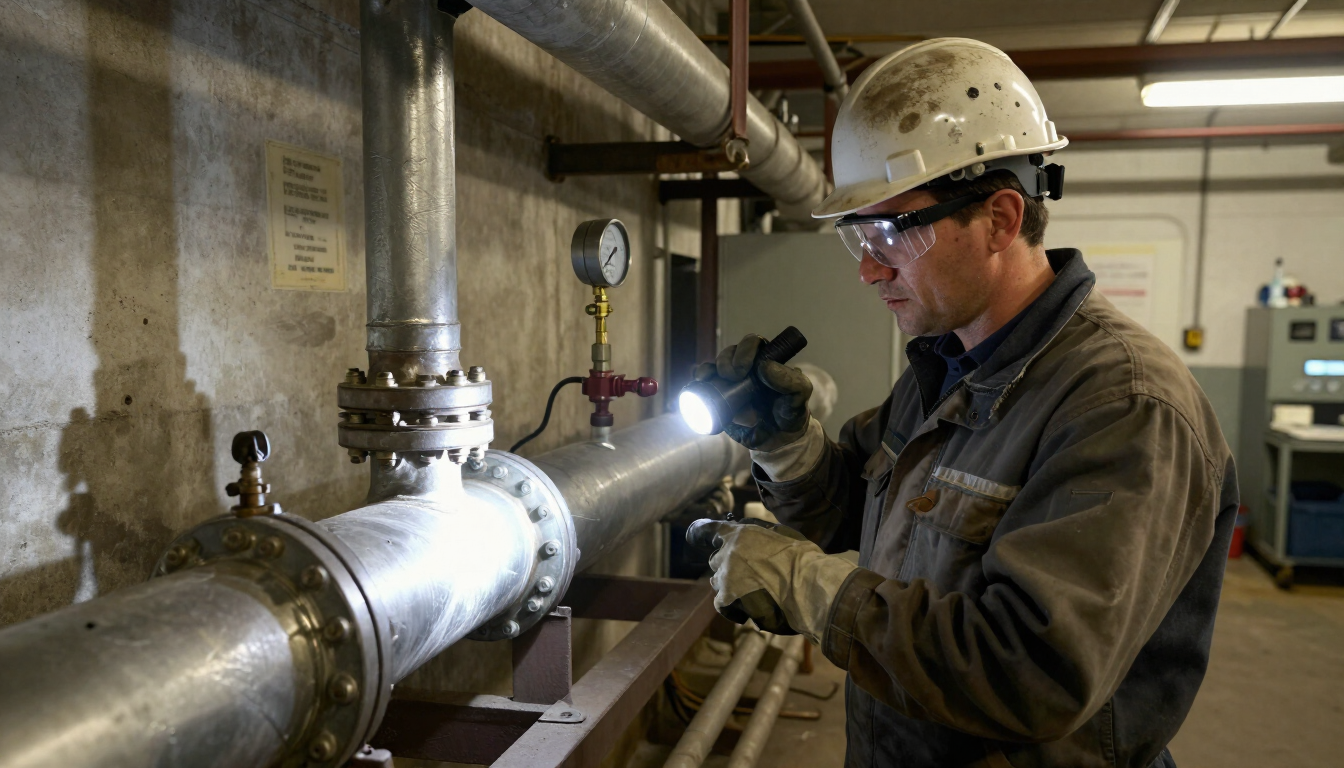
One repair isn't a pattern. Several repairs in a short period, especially on different components, usually signal a unit wearing out across the board. Ask your service provider for each unit's call history, not just the last invoice.
Condition of major components
A failed fan motor or contactor is a routine repair. Compressor failures, cracked heat exchangers, badly corroded coils, or a deteriorating cabinet and curb are different. When core components are worn, each repair buys less time.
Refrigerant and parts availability
Older units may use refrigerants or parts that are harder to source. That can push up repair costs and stretch downtime while you wait.
Fit for the building today
Space use changes. A unit sized for one layout years ago may not fit a building that now houses more people, more equipment, or a different tenant mix. If comfort complaints persist in the zones a unit serves, replacement is a chance to correct the fit.
| Factor | Leans toward repair | Leans toward replace |
|---|---|---|
| Repair history | Isolated, minor repairs | Repeated calls on multiple components |
| Major components | Compressor, heat exchanger, and coils in sound condition | Core components failing or badly worn |
| Cabinet and curb | Solid and weather-tight | Corroded, leaking, or causing roof issues |
| Parts and refrigerant | Readily available | Hard to source or slow to arrive |
| Building fit | Unit matches current load and use | Persistent comfort complaints or changed use |
| Criticality | Space can tolerate short downtime | A failure would disrupt tenants or operations |
Key takeaway: The question isn't whether a unit can be repaired. Almost anything can. The question is whether the next repair buys enough reliable time to justify the spend.
What Deferring Really Costs
Deferring replacement doesn't avoid the cost. It changes when and how you pay it. A unit that fails during peak cooling season can mean:
- Emergency equipment sourcing with limited choices and no time to compare options
- Temporary cooling while a replacement is arranged
- Tenant complaints, lost productivity, or disrupted operations
- Collateral damage, such as roof leaks around a deteriorating curb
Planned replacement puts you in control of timing, equipment selection, and roof coordination.
Questions to Ask Before Approving Repair or Replacement
- What failed, and why? Was it age, a related component, or a maintenance gap?
- What's the condition of the rest of the unit, and what's likely to fail next?
- Does the replacement scope include curb work, the crane lift, electrical, controls, and roofing coordination?
- Can the work be scheduled outside peak cooling season?
- For units staying in service, what preventive maintenance will keep them reliable?
Plan Across the Roof, Not One Unit at a Time
If your building or portfolio has several rooftop units, rank them by condition and by how critical the spaces they serve are. Replace the worst and most critical first, stagger the rest across future budget years, and keep healthy units on a regular maintenance schedule.
Our guide on choosing the right rooftop HVAC unit covers what to consider when selecting replacements, and our broader look at when to replace vs. repair commercial HVAC equipment applies the same thinking to other systems in your building.
Keep the Units You Repair Reliable
Choosing to repair a unit is a decision to keep it in service for a defined period, so treat it that way. Units you're holding onto should be on a regular maintenance schedule with inspections, coil cleaning, and performance checks, and their condition should be reviewed again at the next budget cycle.
That way, each unit has a planned end point instead of an open-ended run until failure. It also gives you a documented history to support the next replacement request, which makes the conversation with your leadership or ownership group easier when the time comes.
How Anderson Mechanical Helps
Anderson Mechanical provides rooftop unit installation, maintenance, and repair for commercial and industrial facilities. Our maintenance includes inspections, cleaning, and performance testing, which gives you a clear picture of each unit's condition before you commit budget. When replacement is the better call, we handle the installation as well.
We've served businesses across the Kansas City area for more than 20 years, including building owners in Johnson County, KS.
Get Your Rooftop Units Assessed Before Budgets Lock
Request a rooftop unit walkthrough, and we'll help you sort out which units to keep repairing and which to plan for replacement next year. If a unit is down now, call (816) 307-7991. After-hours service is available 24/7.
Request a Walkthrough Call (816) 307-7991