How to Build a Preventative Maintenance Plan for HVAC Systems in Kansas City
For businesses in Kansas City, HVAC systems are one of the most critical components of a facility’s infrastructure. They control temperature, airflow, and indoor air quality, all of which impact comfort, productivity, and operational performance.
Despite their importance, many businesses do not have a structured preventative maintenance plan in place. Instead, they rely on reactive service, addressing issues only when they arise. This approach often leads to higher costs, increased downtime, and reduced system lifespan.
Building a preventative maintenance plan is one of the most effective ways to improve system performance and control long term costs.
The first step in creating a maintenance plan is understanding your system. Commercial HVAC systems vary widely depending on the type of facility. Office buildings, warehouses, manufacturing plants, and healthcare facilities all have different requirements.
A proper assessment includes identifying all equipment, understanding how it is used, and evaluating current performance. This provides a baseline for developing a maintenance strategy.
Once the system is understood, the next step is establishing a maintenance schedule. Different components require attention at different intervals.
Filters may need to be replaced monthly or quarterly. Coils may require cleaning several times a year. Electrical components should be inspected regularly to ensure proper operation.
A structured schedule ensures that all components are maintained consistently.
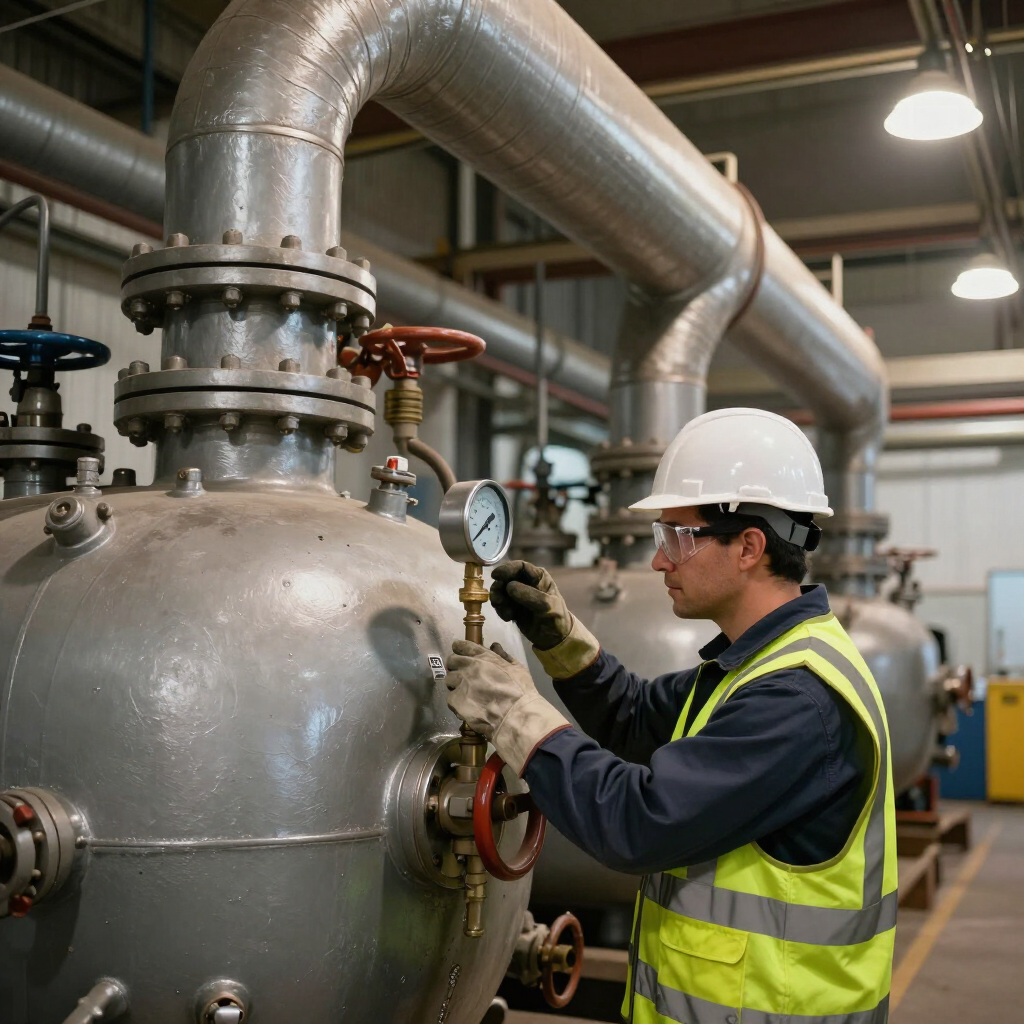
Another key element is inspection. Regular inspections allow technicians to identify potential issues before they become serious problems. This includes checking for wear, verifying system performance, and ensuring that all components are functioning correctly.
Inspection is one of the most valuable aspects of preventative maintenance because it provides early warning of potential failures.
Cleaning is another critical component. Dirt and debris can accumulate in HVAC systems, reducing efficiency and increasing strain on components.
Cleaning coils, filters, and other components helps maintain airflow and ensures that the system operates efficiently.
Calibration is also important. HVAC systems rely on controls to maintain temperature and airflow. If these controls are not calibrated correctly, the system may operate inefficiently.
Regular calibration ensures that the system responds accurately to changes in demand.
Another important factor is documentation. Keeping records of maintenance activities provides valuable information about system performance.
This includes tracking repairs, identifying recurring issues, and monitoring efficiency over time. Documentation supports better decision making and helps identify when upgrades or replacements may be needed.
Working with a professional mechanical contractor is essential for building an effective maintenance plan. Anderson Mechanical works with businesses in Kansas City to develop customized maintenance programs that align with their specific needs.
These programs are designed to address both immediate requirements and long term goals.
Another consideration is budget. Preventative maintenance requires an investment, but it is significantly more cost effective than reactive repairs.
Planning maintenance as part of your budget allows for better financial control and reduces the risk of unexpected expenses.
Downtime is another factor to consider. Maintenance should be scheduled in a way that minimizes disruption to operations. This may involve performing service during off hours or coordinating with production schedules.
A well designed plan takes these factors into account and ensures that maintenance supports, rather than disrupts, operations.
Energy efficiency is another benefit of preventative maintenance. Systems that are properly maintained operate more efficiently, reducing energy consumption and lowering utility costs.
Over time, these savings can be substantial.
For businesses in Kansas City, building a preventative maintenance plan is not just about maintaining equipment. It is about creating a strategy that supports operational stability and long term success.