Why Routine Mechanical Maintenance Is Critical for Commercial Facilities in Kansas City
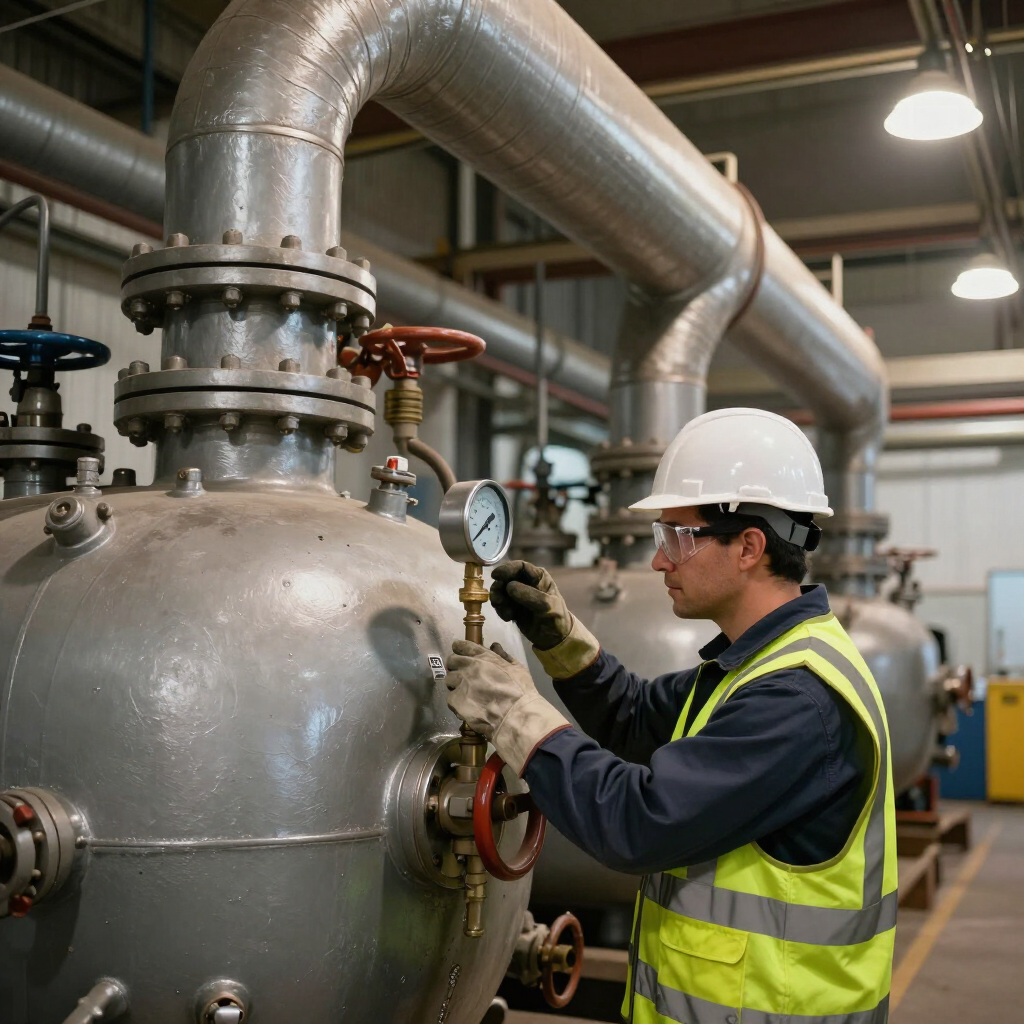
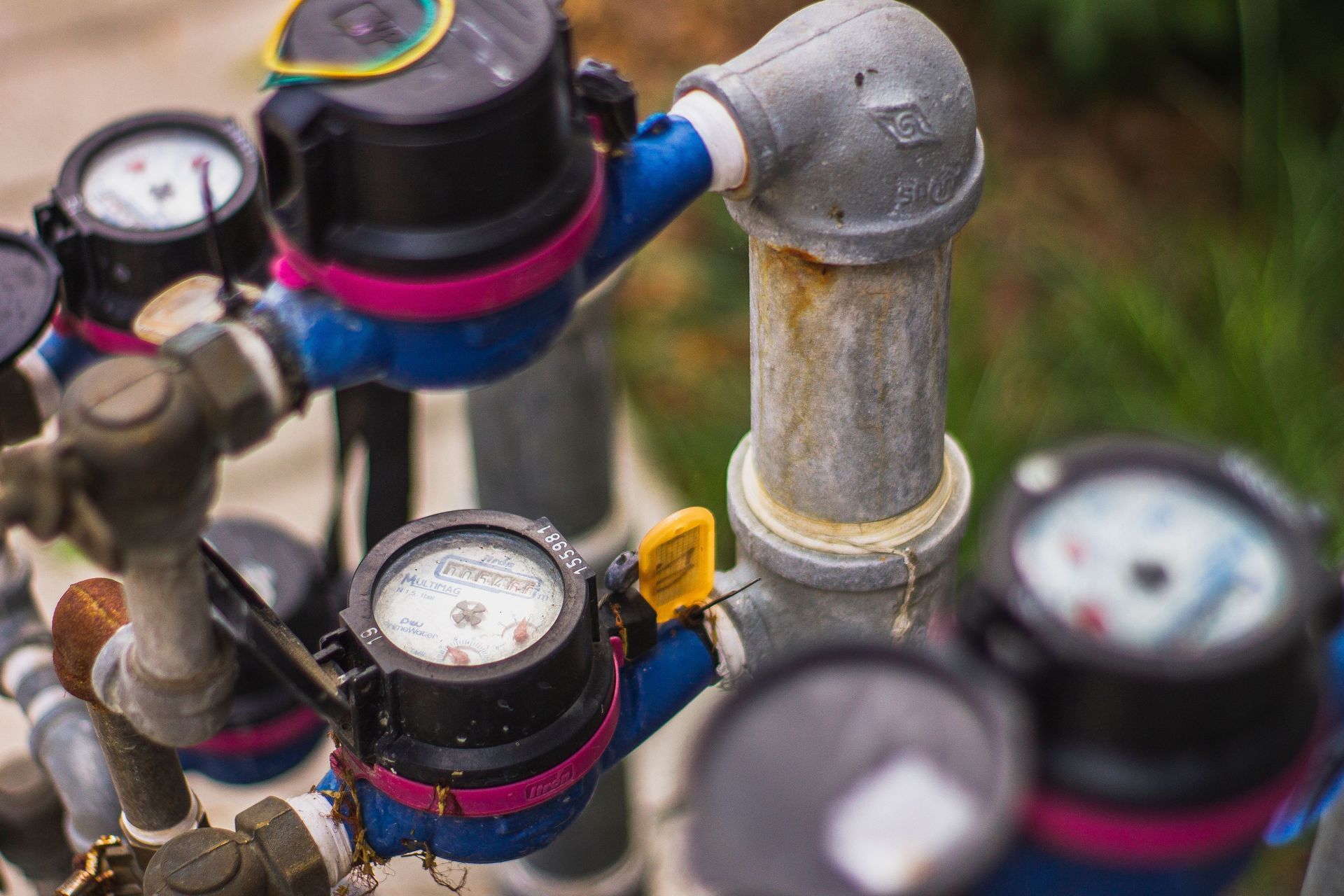
For commercial and industrial facilities in Kansas City, mechanical systems are not optional infrastructure, they are essential to daily operations. HVAC systems, boilers, chillers, piping systems, and controls all work together to create an environment that supports employees, equipment, and production processes. When these systems perform well, operations run smoothly. When they fail, the impact can be immediate and costly.
Routine mechanical maintenance is the foundation that keeps these systems operating reliably. Yet many businesses still approach maintenance reactively, addressing issues only after something breaks. This approach may seem cost effective in the short term, but it almost always leads to higher expenses, more downtime, and increased operational risk over time.
At Anderson Mechanical, we work with businesses across Kansas City to shift from reactive maintenance to structured, preventative programs. The goal is not just to keep systems running, but to ensure they operate efficiently, safely, and consistently.
One of the most important reasons routine maintenance matters is equipment reliability. Mechanical systems experience wear every day they operate. Motors run, belts move, fluids circulate, and components expand and contract with temperature changes. Over time, this wear leads to degradation.
Without regular maintenance, small issues go unnoticed. A worn belt, a loose connection, or a clogged filter may not cause immediate failure, but it creates strain on the system. As this strain increases, the likelihood of a breakdown grows.
Routine maintenance identifies these issues early. Technicians inspect components, make adjustments, and replace parts before they fail. This proactive approach significantly reduces the risk of unexpected downtime.
Downtime is one of the most expensive consequences of mechanical failure. In a commercial building, it can disrupt tenants and impact customer experience. In a manufacturing environment, it can halt production entirely.
Even a few hours of downtime can result in lost revenue, missed deadlines, and operational disruption. Preventative maintenance minimizes this risk by keeping systems in a stable operating condition.
Another critical factor is energy efficiency. Mechanical systems that are not maintained properly have to work harder to achieve the same results. Dirty coils, restricted airflow, and worn components all contribute to inefficiency.
As efficiency decreases, energy consumption increases. This leads to higher utility costs and places additional strain on the system. Over time, this creates a cycle where inefficiency leads to more wear, which leads to further inefficiency.
Routine maintenance breaks this cycle. Cleaning, calibration, and adjustment ensure that systems operate as designed. This reduces energy usage and helps control operating costs.
Safety is another key reason to prioritize maintenance. Mechanical systems involve electrical components, pressurized systems, and in some cases combustion processes. If these systems are not maintained properly, they can create safety risks.
For example, a malfunctioning boiler can lead to pressure issues. Electrical problems can create fire hazards. Poor ventilation can impact air quality.
Routine maintenance includes safety checks that identify and address these risks. This protects employees, occupants, and the facility itself.
Maintenance also plays a role in extending equipment life. Commercial mechanical systems represent a significant investment. Replacing them prematurely can be costly and disruptive.
When systems are maintained properly, they operate under less strain and experience less wear. This extends their lifespan and delays the need for replacement.
For businesses, this translates into better return on investment and improved financial planning.
Another important benefit is predictability. Reactive maintenance creates uncertainty. Businesses do not know when a system will fail or what the cost will be.
Preventative maintenance creates a more predictable environment. Service is scheduled, costs are planned, and systems are monitored regularly. This allows businesses to manage maintenance as part of their operational strategy rather than reacting to emergencies.
In Kansas City, where seasonal weather changes can be extreme, this predictability is especially important. Systems must be ready to handle high demand during both summer and winter.
Routine maintenance ensures that systems are prepared for these conditions and reduces the likelihood of failure during peak usage.
Another advantage of structured maintenance is data. Maintenance programs provide a record of inspections, repairs, and system performance. This information is valuable for identifying trends and making informed decisions.
For example, if a component requires frequent repair, it may be more cost effective to replace it. Data allows businesses to move from guesswork to informed planning.
Working with a professional mechanical contractor like Anderson Mechanical ensures that maintenance is performed consistently and correctly. Our programs are designed to address the specific needs of each facility, taking into account system type, usage, and operational demands.
Ultimately, routine mechanical maintenance is not just about avoiding problems. It is about creating a stable, efficient, and safe operating environment.
For commercial facilities in Kansas City, this is essential for maintaining operations, controlling costs, and supporting long term success.