How Mechanical System Failures Impact Business Operations
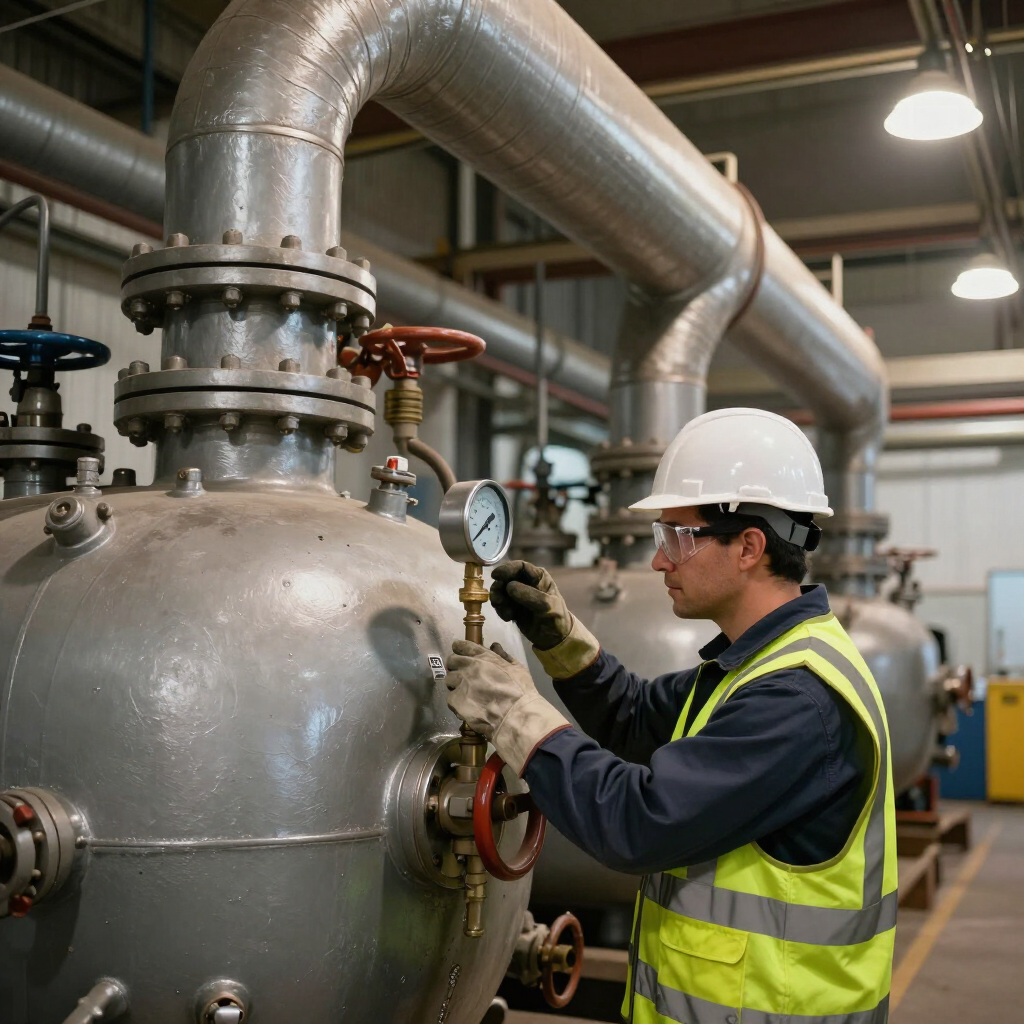
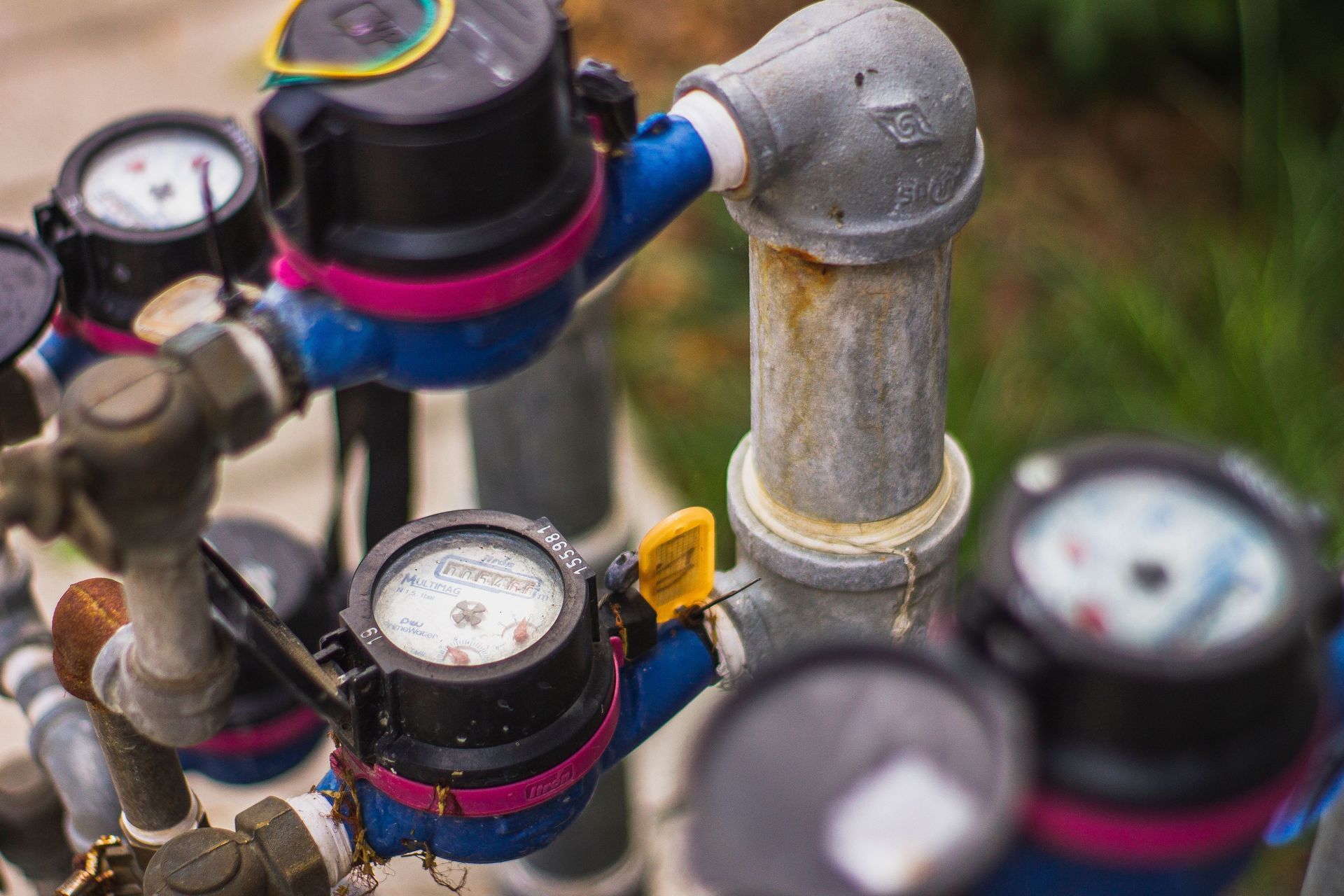
Mechanical systems are often considered background infrastructure, something that operates behind the scenes to support daily business activities. However, when these systems fail, their importance becomes immediately clear.
For businesses in Kansas City, mechanical system failures can have far reaching consequences that go beyond simple inconvenience. They can disrupt operations, impact productivity, and create financial losses.
Understanding how these failures affect your business is critical for developing strategies to prevent them.
One of the most immediate impacts of mechanical failure is downtime. When HVAC systems, boilers, or chillers fail, the environment within the facility can become unsuitable for operations.
In an office setting, this may lead to uncomfortable working conditions. In a manufacturing environment, it can halt production entirely.
Downtime is costly because it affects productivity and revenue. Employees may not be able to perform their tasks, and production schedules may be disrupted.
In some cases, downtime can also impact customer service. For example, a retail business with inadequate climate control may lose customers or experience reduced sales.
Another impact is equipment damage. Mechanical systems often support other equipment within a facility. For example, HVAC systems may be required to maintain specific temperature conditions for sensitive equipment.
If these conditions are not maintained, it can lead to damage or malfunction of other systems.
This creates additional costs and extends the impact of the initial failure.
Employee productivity is another factor. Comfortable working conditions are essential for maintaining productivity. If temperatures are too high or too low, it can affect concentration and performance.
In industrial environments, poor conditions can also create safety concerns.
Mechanical failures can also lead to increased repair costs. Emergency repairs are typically more expensive than scheduled maintenance. They may require expedited service, additional labor, and urgent parts replacement.
These costs can add up quickly, especially if failures occur frequently.
Another important consideration is reputation. For businesses that rely on customer interaction, such as retail or hospitality, mechanical failures can impact the customer experience.
Uncomfortable conditions, delays, or disruptions can lead to negative reviews and lost business.
In addition, regulatory compliance may be affected. Certain industries require specific environmental conditions to be maintained. Mechanical failures can lead to non-compliance and potential penalties.
The long term impact of these failures is often underestimated. Frequent issues can reduce equipment lifespan and increase the need for replacement.
This creates additional capital expenses and disrupts long term planning.
Preventing mechanical failures requires a proactive approach. Regular maintenance, system monitoring, and timely repairs are essential for maintaining reliability.
Anderson Mechanical works with businesses in Kansas City to implement strategies that reduce the risk of failure and support consistent operations.
Mechanical systems are not just supporting infrastructure, they are critical to business success. Ensuring their reliability is essential for maintaining productivity, controlling costs, and protecting your operations.