How Commercial Mechanical Contractors Help Keep Facilities Running Smoothly

Every commercial facility depends on mechanical systems that most people rarely think about until something stops working. Heating, cooling, boilers, chillers, pumps, piping, ventilation, compressors, and process systems all play a major role in daily operations. These systems support comfort, safety, production, sanitation, energy efficiency, and business continuity. When they are working properly, a building feels dependable. When they fail, the impact can be immediate and expensive.

A commercial mechanical contractor helps design, install, maintain, repair, and support the systems that keep commercial and industrial buildings operating. Unlike a contractor that only handles one piece of equipment, a mechanical contractor often works across multiple connected systems. This is important because many facilities do not have isolated heating or cooling issues. A problem with a pump can affect a chiller. A piping issue can impact boiler performance. A controls problem can make an HVAC system run inefficiently. A commercial mechanical contractor understands how these systems work together.

One of the most important roles of a commercial mechanical contractor is HVAC service and installation. Commercial HVAC systems are larger and more complex than residential systems. They may include rooftop units, split systems, VRF systems, ventilation equipment, ductwork, controls, economizers, and other components. These systems need to be sized correctly, installed properly, and maintained regularly. A mechanical contractor can help make sure the building has the right equipment for its space, usage, and comfort needs.

Boiler service is another major area where mechanical contractors support facilities. Commercial boilers are used for heating, hot water, steam, and sometimes process needs. They require proper installation, inspection, cleaning, control checks, and maintenance. If a boiler is neglected, it can become inefficient, unreliable, or unsafe. A mechanical contractor can inspect boiler systems, troubleshoot issues, perform maintenance, and help building owners plan repairs or replacements before a failure disrupts operations.

Chillers are also critical in many commercial and industrial buildings. Facilities that rely on chilled water systems need regular maintenance to keep cooling performance consistent. Chillers involve compressors, evaporators, condensers, pumps, refrigerant, water treatment, controls, and often cooling towers. A mechanical contractor can inspect these components, clean key parts, review operating conditions, and identify issues before they cause major downtime.

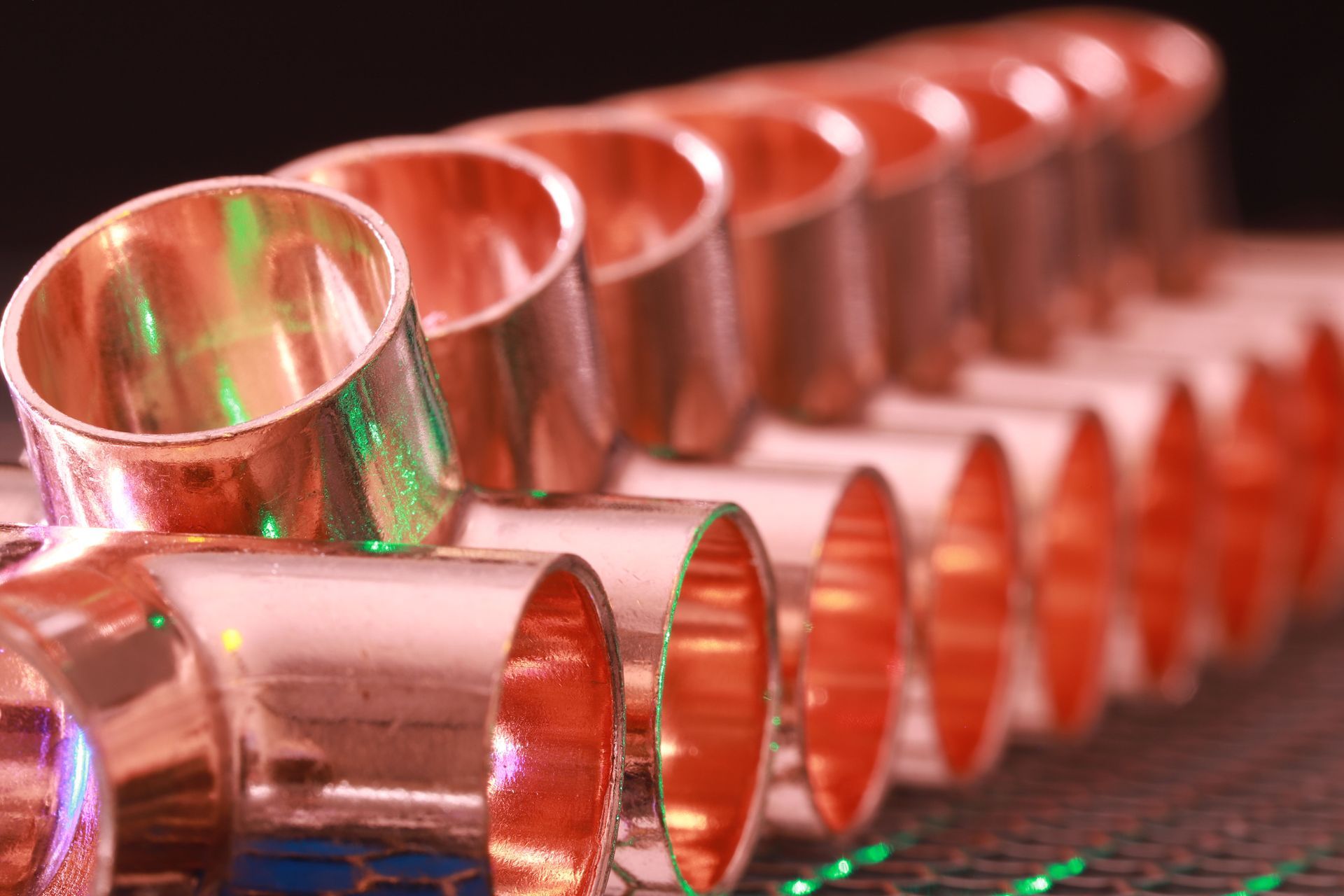
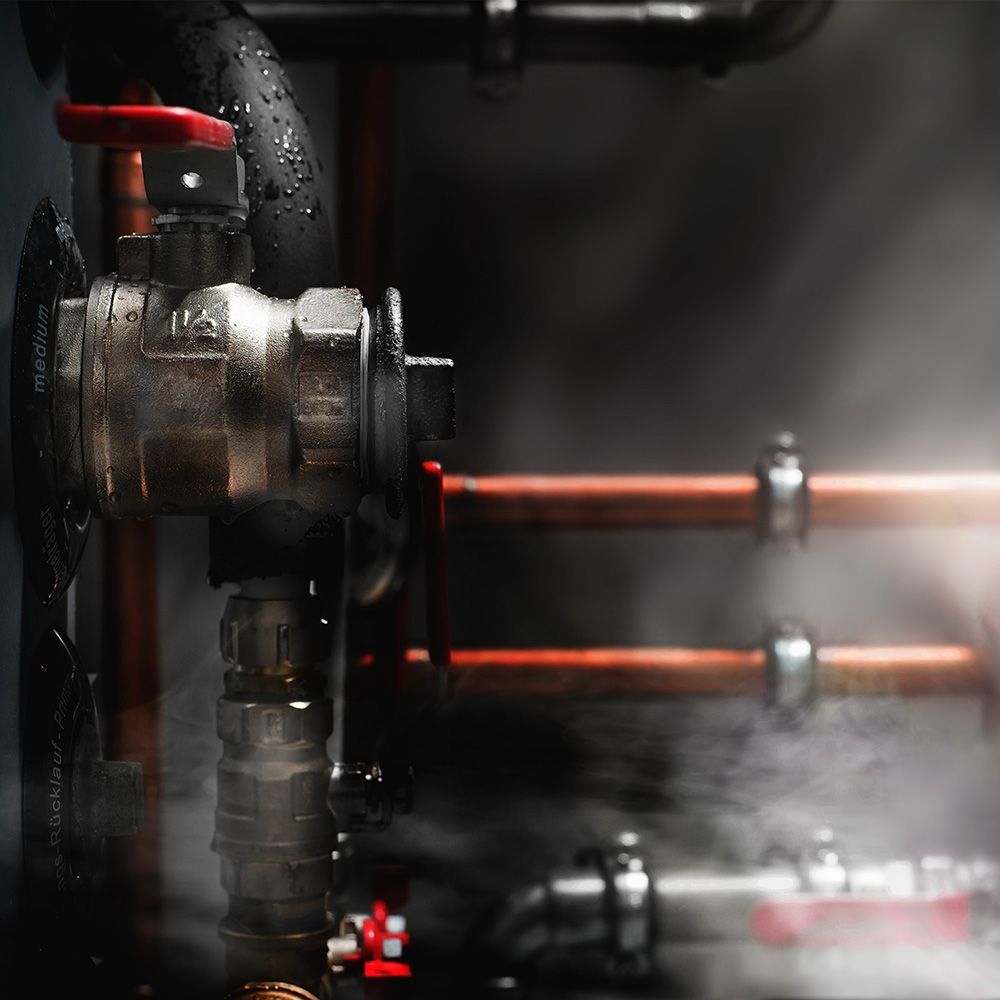
Piping is another important part of commercial mechanical work. Piping systems move water, steam, refrigerant, air, gases, and process fluids throughout a facility. Poor piping design or installation can create leaks, pressure problems, flow issues, inefficiency, and maintenance headaches. Whether a business needs mechanical piping, process piping, boiler piping, chiller piping, or sanitary food process piping, a skilled mechanical contractor can help make sure the system is installed correctly and built for long-term use.

Commercial mechanical contractors also support pumps and compressors. Pumps are used in heating systems, cooling systems, process systems, water movement, and many other applications. Compressors may be needed for air systems, refrigeration, or industrial processes. When these pieces of equipment are not properly installed or maintained, the entire facility can be affected. Mechanical contractors can inspect, repair, replace, and install pumps and compressors to help keep systems operating as expected.

Preventative maintenance is one of the biggest ways a commercial mechanical contractor helps a facility run smoothly. Instead of waiting for equipment to fail, preventative maintenance focuses on routine inspections, cleaning, testing, and adjustments. This can reduce emergency repairs, improve efficiency, extend equipment life, and help facility managers plan ahead. For businesses, this means fewer surprises and better control over mechanical costs.

Another important benefit is troubleshooting. Commercial mechanical issues are not always obvious. A building may have uneven temperatures, rising energy bills, repeated alarms, low water pressure, poor airflow, or equipment that cycles too often. The cause may not be visible without a full system review. An experienced mechanical contractor can look beyond the symptom and find the actual source of the problem. This helps avoid repeat repairs and unnecessary equipment replacement.

Mechanical contractors also help businesses plan for future needs. Equipment does not last forever, and commercial buildings change over time. A growing business may need expanded cooling. An older building may need more efficient equipment. A manufacturing facility may need new process piping. A property owner may need to replace aging boilers or rooftop units. A mechanical contractor can help evaluate the current system, recommend upgrades, and build a plan that fits the facility’s operations and budget.

For commercial and industrial facilities, downtime can be costly. Mechanical failures can interrupt work, affect tenants, stop production, damage inventory, or create uncomfortable conditions. Having a reliable mechanical contractor gives businesses a partner they can call when issues arise. It also creates consistency because the contractor becomes familiar with the building, the equipment, and the maintenance history.

Kansas City businesses face a wide range of mechanical demands throughout the year. Hot summers put pressure on cooling systems. Cold winters test boilers and heating equipment. Industrial and food process facilities may need reliable systems every day, regardless of the weather. A commercial mechanical contractor helps businesses stay prepared for these demands by maintaining equipment before peak seasons and responding when problems occur.

Anderson Mechanical provides commercial mechanical services for businesses across Kansas City and surrounding areas, including HVAC, boilers, chillers, piping, pumps, compressors, installation, service, and maintenance. For facility managers and business owners, working with a knowledgeable mechanical contractor can make it easier to keep systems reliable and operations on track.

A commercial mechanical contractor is more than a repair provider. The right contractor becomes a long-term partner in facility performance. By supporting installation, maintenance, troubleshooting, repairs, and planning, they help commercial buildings stay comfortable, efficient, and operational. For Kansas City businesses, that kind of support can make a major difference in daily reliability and long-term facility costs.

June 29, 2026
Kansas City summers can place heavy demand on commercial HVAC systems. Hot temperatures, humidity, long operating hours, and increased cooling needs can push equipment harder than usual. For businesses, a cooling system failure during the summer is more than an inconvenience. It can create uncomfortable conditions for employees and customers, interrupt operations, affect tenants, damage temperature-sensitive inventory, and lead to expensive emergency repairs.
June 29, 2026
Food production and processing facilities depend on piping systems that are clean, reliable, and built for the specific demands of the environment. Unlike standard piping systems, sanitary food process piping must support cleanliness, product quality, operational efficiency, and safety-focused facility standards. When piping is installed correctly, it helps the facility operate smoothly. When it is not, the results can include contamination risks, cleaning challenges, production delays, leaks, wasted product, and costly downtime.
June 29, 2026
Commercial HVAC equipment is a major investment for any business. It supports comfort, air quality, productivity, tenant satisfaction, customer experience, and daily operations. When the system starts having problems, one of the biggest questions for building owners and facility managers is whether it makes more sense to repair the equipment or replace it. The answer is not always simple. In some cases, a repair can keep the system running reliably for years. In other cases, repeated repairs become more expensive than planning for a proper replacement.
June 29, 2026
Commercial facilities depend on mechanical equipment to keep daily operations moving. Heating, cooling, water movement, process systems, pressure control, and production support often rely on pumps and other connected equipment. When this equipment is installed correctly, the building operates more smoothly. When it is not, the results can include leaks, poor performance, energy waste, repeated repairs, and unexpected downtime.
June 29, 2026
Commercial buildings do not always have simple heating and cooling needs. In many facilities, different rooms, offices, departments, or tenant spaces may need different temperatures at the same time. One side of the building may receive more sunlight. One area may have more equipment generating heat. Another space may stay empty for part of the day. Traditional HVAC systems can handle many commercial buildings well, but some properties need a more flexible approach. That is where a VRF system can be a strong option.
By Admin June 29, 2026
Chillers are a critical part of many commercial and industrial facilities in Kansas City. They help provide cooling for large buildings, manufacturing spaces, process systems, hospitals, schools, office buildings, and other facilities that depend on steady temperature control. Because chillers often support major operations, they need to be maintained properly. When a chiller is neglected, the result can be higher energy costs, reduced performance, comfort complaints, production issues, and unexpected downtime.
By Admin June 29, 2026
A commercial boiler plays a major role in keeping a building comfortable, safe, and operational during the colder months. For many Kansas City businesses, boilers support heating systems, process needs, hot water, and other important facility functions. When a boiler is working correctly, it often runs quietly in the background. When it starts to fail, the impact can be serious. A boiler issue can lead to poor heating, downtime, safety concerns, expensive repairs, and disruption for employees, tenants, customers, or production teams.
By Admin June 29, 2026
For any commercial building in Kansas City, the HVAC system is one of the most important parts of daily operations. It controls comfort, supports air quality, protects equipment, and helps create a better environment for employees, tenants, customers, and visitors. When the system is working properly, most people do not think about it. When it stops working, it can quickly become one of the biggest problems in the building. That is why preventative HVAC maintenance is so important for commercial properties, industrial facilities, offices, retail spaces, restaurants, schools, and other businesses throughout the Kansas City area.
March 23, 2026
For facility managers and business owners in Kansas City, one of the most challenging responsibilities is planning for mechanical system upgrades. HVAC systems, boilers, chillers, and piping infrastructure are all critical to daily operations, but they also represent some of the largest capital expenses a business will face. Unlike smaller equipment, these systems cannot simply be replaced overnight without planning. Poor timing, lack of budgeting, or reactive decisions can lead to operational disruptions, higher costs, and unnecessary risk. The key to avoiding these issues is having a structured approach to planning upgrades before systems reach a breaking point. At Anderson Mechanical, we work with commercial and industrial facilities across Kansas City to develop upgrade strategies that align with both operational needs and financial goals. The objective is not just to replace equipment, but to create a long term plan that improves performance, reduces costs, and supports future growth. One of the first steps in planning for mechanical system upgrades is understanding the current condition of your equipment. This goes beyond simply knowing the age of the system. It requires a detailed evaluation of performance, maintenance history, and overall reliability. For example, a system that is ten years old but well maintained may still have significant life remaining. On the other hand, a system that is only eight years old but has experienced frequent issues may be nearing the end of its useful life. A professional assessment provides insight into how the system is performing and what can be expected in the coming years. This allows facility managers to make informed decisions rather than reacting to unexpected failures. Another important factor is repair frequency. If a system requires frequent repairs, the cost of maintaining it may begin to outweigh the cost of replacement. This is especially true for critical components such as compressors, heat exchangers, or control systems. Tracking repair history helps identify patterns and determine when it makes sense to transition from repair to replacement. Energy efficiency is another major consideration. Older mechanical systems are typically less efficient than modern equipment. As energy costs continue to rise, inefficient systems can become a significant financial burden. Upgrading to newer systems with higher efficiency ratings can reduce energy consumption and lower operating costs. Over time, these savings can offset the initial investment. In Kansas City, where buildings must handle both extreme summer heat and winter cold, efficiency improvements can have a substantial impact on overall operating expenses. Another key element of planning is timing. Waiting until a system fails to plan a replacement often leads to rushed decisions and higher costs. Emergency replacements may require expedited equipment orders, overtime labor, and temporary solutions. By planning upgrades in advance, businesses can schedule installations during periods of lower demand. This minimizes disruption and allows for a more controlled process. Budgeting is also a critical component. Mechanical system upgrades are capital investments, and they need to be planned accordingly. Developing a multi-year budget allows businesses to spread costs over time and avoid large, unexpected expenses. This approach also provides flexibility. Instead of replacing all systems at once, upgrades can be phased based on priority and condition. Another important consideration is system design. Upgrading equipment is not just about replacing old components with new ones. It is an opportunity to improve the overall system. This may include reconfiguring layouts, upgrading controls, or integrating new technologies such as VRF systems or advanced building automation. A well designed system not only improves performance but also supports future scalability. As business needs change, the system should be able to adapt without requiring major modifications. Compliance and regulations are also factors that need to be considered. Mechanical systems must meet current standards for safety, efficiency, and environmental impact. Upgrading systems ensures that facilities remain compliant and avoid potential penalties. Working with a qualified mechanical contractor is essential for navigating these requirements. Anderson Mechanical provides guidance on system selection, design, and installation to ensure compliance and performance. Another aspect of planning is risk management. Mechanical system failures can have serious consequences, including downtime, lost revenue, and potential safety issues. By identifying high risk systems and prioritizing their replacement, businesses can reduce the likelihood of unexpected failures. Communication is also important during the planning process. Facility managers, operations teams, and leadership should all be aligned on upgrade plans and timelines. This ensures that everyone understands the impact and can prepare accordingly. Another benefit of proactive planning is the ability to take advantage of incentives. Many energy efficient systems qualify for rebates or incentives that can reduce the cost of upgrades. Identifying these opportunities in advance can improve the financial return on investment. Technology is also playing an increasing role in system upgrades. Modern mechanical systems often include advanced controls, monitoring capabilities, and integration with building management systems. These features provide greater visibility into system performance and allow for more efficient operation. Anderson Mechanical works with businesses in Kansas City to incorporate these technologies into upgrade plans, ensuring that systems are not only efficient but also future ready. Long term planning also includes considering how upgrades will impact operations. Installation projects need to be coordinated with business activities to minimize disruption. This may involve scheduling work during off hours, phasing installations, or implementing temporary solutions. A well planned project reduces downtime and ensures a smooth transition to new equipment. Ultimately, planning for mechanical system upgrades is about control. It allows businesses to manage costs, reduce risk, and ensure that systems continue to support operations effectively. Reactive approaches create uncertainty and often lead to higher costs. Proactive planning provides stability and supports long term success. For facility managers in Kansas City, having a structured upgrade strategy is essential. It ensures that systems are replaced at the right time, in the right way, and with the right solutions. Anderson Mechanical provides the expertise and support needed to develop and implement these strategies. From initial assessment to installation and ongoing service, we work with businesses to ensure that their mechanical systems are aligned with their operational goals. Upgrading mechanical systems is not just about replacing equipment. It is about improving performance, reducing costs, and preparing for the future.  With the right plan in place, businesses can move forward with confidence and ensure that their systems continue to support success for years to come.
March 23, 2026
For commercial and industrial businesses in Kansas City, mechanical systems are too important to leave to chance. HVAC systems, boilers, chillers, and piping networks all play a critical role in maintaining operations. When these systems perform well, businesses run efficiently. When they do not, the impact can be immediate and costly. This is why many businesses choose to work with a mechanical contractor they can trust for the long term. Anderson Mechanical has built its reputation by providing consistent, reliable service that supports both day to day operations and long term goals. Trust in a mechanical contractor is built on several key factors, and understanding these factors helps explain why businesses continue to rely on Anderson Mechanical. One of the most important factors is consistency. Businesses need to know that their contractor will deliver the same level of service every time. This includes quality of work, responsiveness, and communication. Inconsistent service creates uncertainty and makes it difficult to manage operations. Anderson Mechanical focuses on delivering consistent results across all services, from routine maintenance to complex installations. Another key factor is expertise. Commercial and industrial systems require specialized knowledge. Anderson Mechanical has experience working with a wide range of systems, including HVAC, boilers, chillers, VRF systems, and piping. This expertise allows us to diagnose issues accurately and implement solutions that address the root cause. It also ensures that systems are installed and maintained correctly. Responsiveness is another critical element. Mechanical issues do not always occur at convenient times. When problems arise, businesses need a contractor that can respond quickly and resolve issues efficiently. Anderson Mechanical provides timely service and clear communication, helping businesses minimize downtime and maintain operations. Preventative maintenance is also a major part of long term service. Rather than waiting for systems to fail, Anderson Mechanical works with businesses to develop maintenance programs that keep systems operating efficiently. These programs include regular inspections, cleaning, and adjustments that reduce the risk of failure and extend equipment life. Another important factor is transparency. Businesses need to understand what is being done, why it is being done, and what it will cost. Anderson Mechanical provides clear communication and detailed explanations, ensuring that clients are informed and confident in the process. Technology also plays a role in building trust. Modern systems require advanced tools for diagnostics and monitoring. Anderson Mechanical uses these tools to provide better visibility into system performance and support data driven decision making. This helps businesses identify opportunities for improvement and plan for the future. Long term planning is another area where Anderson Mechanical provides value. Mechanical systems have a lifespan, and planning for upgrades or replacements is essential. Rather than reacting to failures, businesses can work with Anderson Mechanical to develop a strategy that aligns with their operational and financial goals. Safety is also a priority. Mechanical systems involve risks that must be managed carefully. Anderson Mechanical follows safety protocols and ensures that all work meets regulatory standards. This protects both the facility and the people who work within it. Another reason businesses trust Anderson Mechanical is the ability to handle complex projects. From large scale installations to specialized systems, the ability to manage complex work is essential for many facilities. Anderson Mechanical has the experience and resources needed to handle these projects effectively. Customer relationships are also a key part of long term service. Anderson Mechanical focuses on building partnerships rather than one time transactions. This means understanding each client’s needs and providing solutions that support their success. For businesses in Kansas City, this level of support creates confidence and reliability. Knowing that your mechanical systems are in good hands allows you to focus on your core operations. Ultimately, trust is built over time through consistent performance, clear communication, and reliable results. Anderson Mechanical has earned that trust by delivering service that meets the needs of commercial and industrial businesses. For companies looking for a long term mechanical partner in Kansas City, Anderson Mechanical provides the expertise, service, and commitment needed to support ongoing success.  Mechanical systems are critical to your business. Choosing the right partner ensures that those systems perform reliably and efficiently for years to come.