The Importance of Reliable Pumps and Equipment Installation for Commercial Facilities
Commercial facilities depend on mechanical equipment to keep daily operations moving. Heating, cooling, water movement, process systems, pressure control, and production support often rely on pumps and other connected equipment. When this equipment is installed correctly, the building operates more smoothly. When it is not, the results can include leaks, poor performance, energy waste, repeated repairs, and unexpected downtime.
Pumps are used in many different commercial and industrial systems. They may move hot water through a boiler system, circulate chilled water for cooling, support process piping, transfer fluids, or help maintain pressure throughout a facility. In some buildings, pumps run quietly in the background every day. In others, they are directly tied to production, sanitation, comfort, or safety. Because pumps are so important to facility performance, proper installation and maintenance should never be treated as an afterthought.
One of the biggest reasons reliable pump installation matters is system efficiency. A pump that is incorrectly sized or poorly installed may use more energy than necessary. It may run too often, work against unnecessary resistance, or fail to move the right amount of fluid through the system. Over time, this can increase utility costs and put added stress on equipment. A properly selected and installed pump is matched to the system’s needs, which helps the facility operate more efficiently.
Proper sizing is a critical part of pump installation. Bigger is not always better. An oversized pump can create pressure problems, excess energy use, noise, and unnecessary wear. An undersized pump may not move enough fluid to support the system. The right pump depends on flow requirements, pressure needs, piping layout, equipment type, building demand, and the purpose of the system. A commercial mechanical contractor can evaluate these factors and recommend equipment that fits the application.
Installation quality also affects reliability. Pumps need to be installed with proper alignment, secure mounting, correct piping connections, appropriate valves, and proper electrical service. If the installation is rushed or done incorrectly, the pump may vibrate, leak, overheat, or fail early. Even a high-quality pump can perform poorly if it is not installed correctly. Reliable installation helps protect the equipment and the systems it supports.
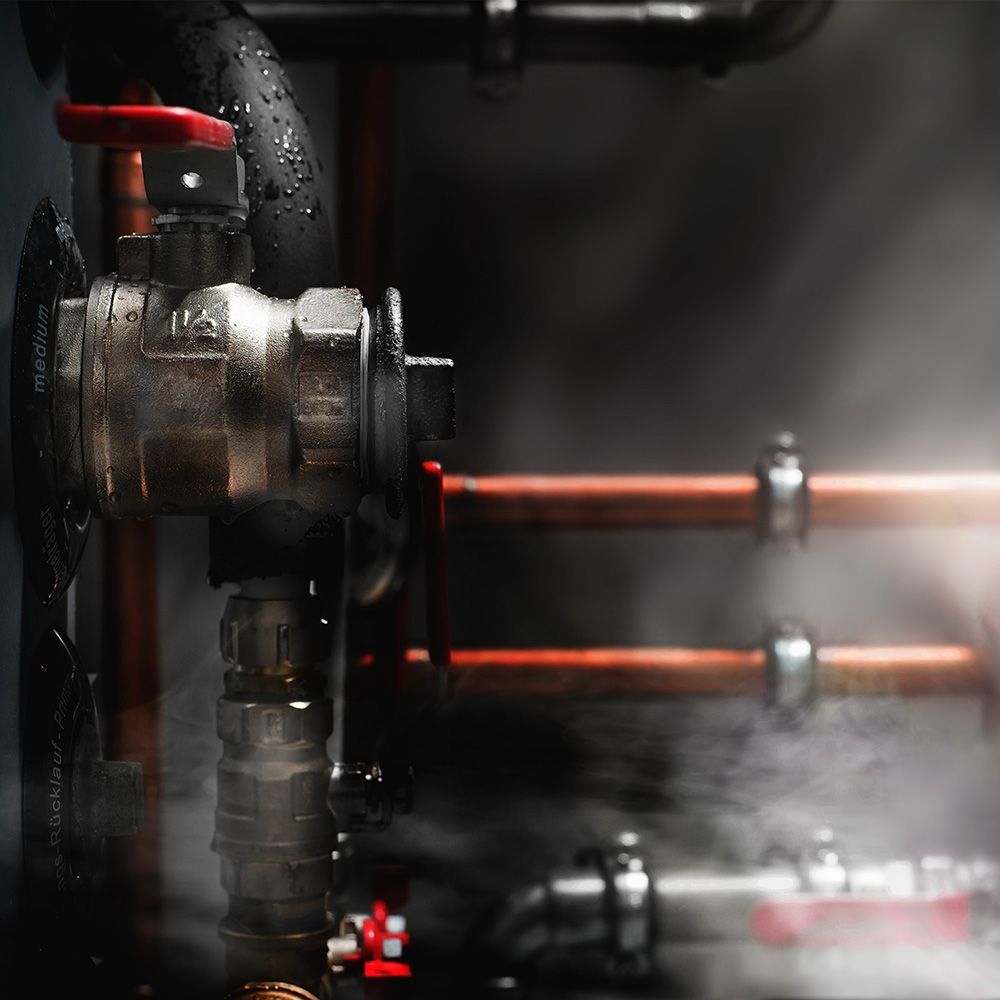
Piping design plays a major role in pump performance. Pumps do not operate alone. They work as part of a larger system that may include piping, valves, tanks, boilers, chillers, heat exchangers, and controls. If the piping layout creates unnecessary restrictions, poor flow, air pockets, or pressure imbalances, the pump may struggle. A mechanical contractor with piping experience can help make sure the pump and piping system work together properly.
Maintenance access is another important part of equipment installation. Commercial equipment should be installed in a way that allows technicians to inspect, service, and repair it safely. If a pump is placed in a difficult location, lacks proper clearance, or has poor access to valves and components, routine maintenance becomes harder and more time-consuming. Good installation planning considers not only how the equipment will work on day one, but also how it will be serviced in the future.
Reliable pump installation also helps reduce downtime. In many facilities, a pump failure can affect the entire mechanical system. A failed chilled water pump can impact cooling. A boiler circulation pump issue can affect heating. A process pump failure can slow or stop production. Emergency repairs are often more expensive and disruptive than planned service. Installing equipment correctly from the beginning helps reduce the likelihood of premature failures.
Controls and integration are also important. Many modern commercial systems rely on controls to manage pump speed, staging, alarms, and system response. Variable frequency drives, building automation systems, sensors, and control panels may all be part of the installation. When controls are set up properly, pumps can respond to changing demand and operate more efficiently. When controls are not coordinated, the equipment may short cycle, run at the wrong speed, or fail to communicate with the rest of the system.
For industrial and food process facilities, reliable equipment installation can be even more critical. These environments may require specialized piping, sanitary design, specific materials, cleanability, and consistent process performance. A pump or equipment failure in these settings can affect production schedules, product quality, or sanitation processes. Proper installation by an experienced mechanical contractor helps protect both operations and compliance-minded facility standards.
Replacement planning is another reason to work with a qualified contractor. Many facilities wait until a pump fails before thinking about replacement. A better approach is to evaluate aging equipment during routine maintenance and plan upgrades before failure happens. If a pump is becoming inefficient, noisy, unreliable, or expensive to repair, replacing it proactively may be the better long-term choice. A mechanical contractor can help determine when repair makes sense and when replacement is the smarter investment.
Equipment installation should also take long-term operating costs into account. The upfront cost of a pump or mechanical equipment is only one part of the investment. Energy use, maintenance needs, repair frequency, lifespan, and downtime risk all matter. Choosing the right equipment and installing it properly can help lower total cost over time. For commercial facilities, this long-term view is often more valuable than choosing the lowest upfront option.
Kansas City businesses deal with seasonal weather demands, building comfort needs, and facility-specific mechanical requirements. Whether a property depends on pumps for HVAC, boilers, chillers, process piping, or water movement, reliability matters. A well-installed system helps support daily operations and gives facility managers more confidence in their mechanical infrastructure.
Anderson Mechanical provides commercial mechanical services for businesses across Kansas City and surrounding areas, including pumps, compressors, HVAC, boilers, chillers, piping, equipment installation, service, and maintenance. From evaluating system needs to installing equipment and supporting long-term performance, the right mechanical partner can make a major difference.
Reliable pumps and equipment installation are essential for commercial facility performance. When equipment is properly selected, installed, integrated, and maintained, it helps reduce downtime, improve efficiency, protect connected systems, and support daily operations. For Kansas City commercial and industrial facilities, working with an experienced mechanical contractor is one of the best ways to keep critical systems running the way they should.